
What Is a Bed Base? Types and Terms Explained
A bed base is essentially the foundation for your mattress. It’s the sturdy structure that supports your mattress, keeping it off the floor and providing proper ventilation. Think of it as the unsung hero of your sleep setup, ensuring your mattress stays in good shape and delivers the comfort you expect from a bed base.
Choosing the right bed base is more than just picking a box. It can affect your mattress’s lifespan and even how well you sleep. Different types offer varying levels of support and aesthetics, making it a surprisingly important decision for your bedroom. Understanding your options helps you make a smart choice for better sleep.
- A bed base supports your mattress and keeps it off the floor.
- It helps with mattress ventilation and can extend its life.
- There are various types of bed bases to choose from.
- Each type offers different support and style.
- Your choice impacts both comfort and bedroom appearance.
Ready to find the perfect foundation for your dreams? Let’s break down the different types of bed bases and what all those terms really mean.
“`htmlUnderstanding Your Bed Base Options
Your bed base is the unsung hero of your bedroom. It’s more than just a platform for your mattress. It’s designed to provide proper support. This support is key for both your mattress’s health and your own sleep quality. Think of it as the foundation of your entire sleep system. Without the right base, even the best mattress won’t perform as it should.
What Exactly Does a Bed Base Do?
A bed base has a few main jobs. First, it keeps your mattress off the floor. This allows air to circulate underneath. Good ventilation is vital to prevent moisture buildup. This can help keep your mattress fresh and free from mold or mildew. It also prevents dust from accumulating directly beneath your mattress.
Second, it provides a stable, even surface for your mattress. This ensures your mattress maintains its shape and intended feel. Many mattresses, especially memory foam or hybrid types, require a solid or slatted base. Without it, the mattress might sag or lose its support over time. This can lead to discomfort and a shorter mattress lifespan. We found that many mattress manufacturers void warranties if the wrong type of base is used.
Common Bed Base Types Explained
When you’re shopping for a new bed, you’ll encounter several types of bases. Each offers a different combination of support, aesthetics, and functionality. Let’s look at the most common ones you’ll find.
The Platform Bed Frame
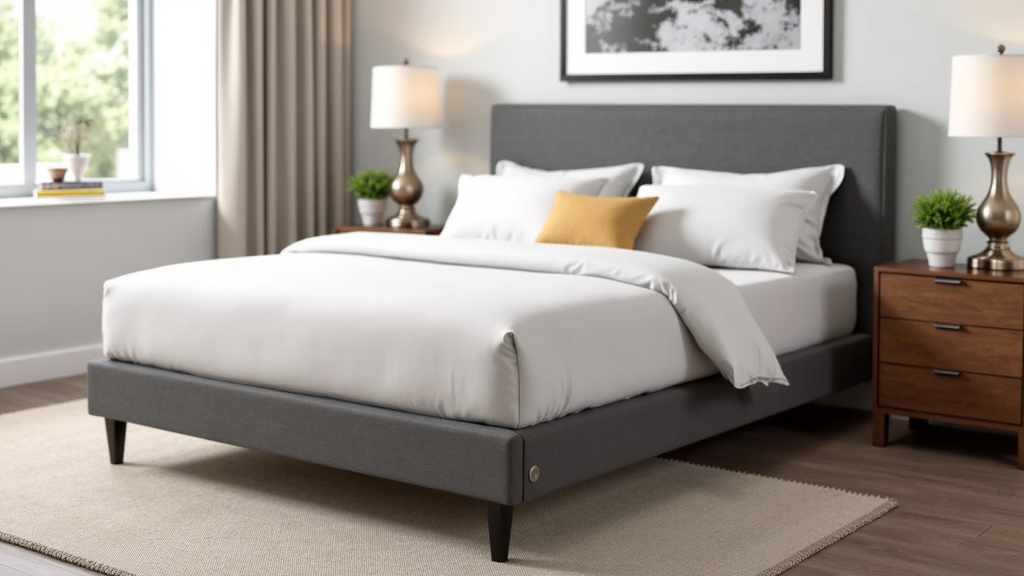
A platform bed frame is a popular choice. It features a solid or slatted system built right into the frame. This means you often don’t need a separate box spring. The base itself provides all the necessary support for your mattress. Many platform beds have a modern, minimalist look. They can also include built-in headboards and footboards.
Platform beds are known for their sturdiness. The slats, if present, are usually spaced closely together. This is ideal for memory foam or latex mattresses that need a firm surface. Some platform beds have a solid base. This offers maximum support but might limit airflow compared to slats. Many experts recommend platform beds for their durability and aesthetic appeal.
The Traditional Box Spring
A box spring is what many people grew up with. It’s essentially a wooden frame covered in fabric. Inside, it has a metal or wooden grid of springs. These springs help absorb shock and add a bit of bounce. Box springs are typically used with innerspring mattresses. They provide a springy support system that complements the mattress coils.
Box springs also raise the mattress higher off the floor. This can be a desired height for many people. However, they offer less solid support than a platform bed. The springs can eventually sag or break. This can lead to an uneven sleeping surface. We found that the use of a box spring is less common with newer mattress technologies like memory foam.
The Bed Frame with Headboard and Footboard
This is a broad category that often includes a metal or wooden frame. This frame is designed to hold a box spring or a platform base. The defining feature is the attached headboard and footboard. These add style and can help keep your pillows from falling off the bed at night. The actual support comes from the internal structure of the frame, whether it’s designed for a box spring or has a built-in slatted base. Learn how to choose a bed frame that fits your needs and mattress.
You can often customize these frames. You might choose different materials like wood, metal, or upholstered fabrics. The height of the frame can also vary. Some offer storage drawers underneath. When selecting this type, always check what kind of mattress support it offers. Does it require a box spring, or does it have its own system?
The Storage Bed Frame
A storage bed frame is a clever solution for small spaces. These frames are built with integrated storage solutions. This can include drawers built into the base, or a lift-up mechanism that reveals a large storage compartment underneath. The mattress sits on top of the storage unit, which acts as the bed base.
These are excellent for organizing linens, clothing, or other bedroom items. The support structure is usually a slatted base or a solid platform. This makes them suitable for most mattress types. We found that the weight capacity is an important consideration with storage beds. Ensure the mechanism and frame are robust enough for daily use.
The Adjustable Base
Adjustable bases are becoming increasingly popular. They allow you to change the position of your mattress. You can typically elevate the head and foot sections. This is great for reading, watching TV, or for those who need to sleep with their head elevated due to health reasons. Many adjustable bases are designed to work with specific types of mattresses, often foam or latex.
These bases are essentially a motorized frame with a slatted or supportive surface. They require a mattress that is flexible and can bend without damage. Innerspring mattresses are generally not recommended for adjustable bases. Many experts say that adjustable bases can improve comfort for certain individuals (Cleveland Clinic).
Understanding Key Bed Base Terms
When you’re shopping, you’ll come across specific terms. Knowing what they mean can help you make a better choice.
Slats vs. Solid Base
Slats are horizontal strips of wood or metal. They are spaced apart and form the sleeping surface for your mattress. The spacing between slats is important. Closer spacing is better for softer mattresses like memory foam. Wider spacing is usually fine for traditional innerspring mattresses.
A solid base, sometimes called a bunkie board, is a solid sheet of material. This could be wood, particleboard, or metal. It provides a completely flat and continuous surface. This is excellent for mattresses that need very firm support and cannot bend. We found that solid bases can sometimes limit airflow compared to properly spaced slats.
Headboard and Footboard
The headboard is the panel at the head of the bed. The footboard is the panel at the foot of the bed. They are primarily decorative but can also add function. Some headboards have built-in shelves or lighting. They attach to the main bed frame and can be made from various materials.
Center Support Leg
For larger bed sizes like queen, king, and California king, a center support leg is essential. This is an extra leg that extends from the middle of the frame down to the floor. It prevents the frame from bowing under the weight of the mattress and sleepers. Many sturdy bed frames have multiple center support legs for added stability.
Box Spring Foundation vs. Bunkie Board
A box spring foundation is a sturdy, fabric-covered frame with metal or wooden supports. It’s designed to be used with a mattress and often has some give to it. A bunkie board is a thinner, solid board that provides a firm, flat surface. It’s often used to make an older bed frame or a platform bed more supportive, or as a replacement for a traditional box spring.
Choosing the Right Bed Base for Your Mattress
Your mattress type is the biggest factor when choosing a bed base. Here’s a quick guide:
- Innerspring Mattresses: Often work well with traditional box springs or slatted platforms with wider spacing.
- Memory Foam Mattresses: Need a solid or slatted base with very close spacing. A box spring can damage them.
- Latex Mattresses: Similar to memory foam, they prefer a firm, supportive base. Solid or closely slatted platforms are best.
- Hybrid Mattresses: Usually compatible with both box springs and platform beds, but check the manufacturer’s recommendation.
Quick Checklist for Your Bed Base Decision
Before you buy, ask yourself these questions:
- What type of mattress do you have or plan to buy?
- Does your mattress require specific support (e.g., solid vs. slats)?
- What is your budget for a bed base?
- Do you need extra storage space?
- What is the desired height for your bed?
- What style will best fit your bedroom decor?
By understanding these options and terms, you’re well on your way to finding the perfect foundation for a great night’s sleep.
“`
Conclusion
You’ve learned that your bed base is more than just a piece of furniture; it’s the support system your mattress needs. From traditional box springs to modern platform frames and adjustable options, each type offers unique benefits. Understanding terms like ‘slats’ and ‘center support legs’ helps you match the base to your mattress for optimal comfort and longevity. Taking a moment to consider your mattress type, budget, and storage needs will guide you to the perfect foundation.
Now, you’re ready to make an informed decision. Choose a bed base that truly supports your sleep and enhances your bedroom.
Frequently Asked Questions
Do I really need a bed base if my mattress is thick?
Yes, even thick mattresses need a proper bed base. A base provides essential airflow, preventing moisture buildup that can damage your mattress over time. It also ensures the mattress maintains its intended shape and support for consistent comfort.
Can I put a memory foam mattress directly on the floor?
We strongly advise against placing a memory foam mattress directly on the floor. This severely restricts airflow, leading to moisture retention and potential mold growth. It also prevents the mattress from getting the even support it needs, which can cause sagging and void its warranty.
What’s the difference between a platform bed and a regular bed frame?
A platform bed frame typically has a built-in system of slats or a solid surface that directly supports the mattress, meaning you don’t need a box spring. A regular bed frame might be designed to hold a box spring and mattress combination.
Are adjustable bases compatible with all mattress types?
No, adjustable bases are not compatible with all mattress types. They generally work best with flexible mattresses like memory foam or latex. Traditional innerspring mattresses are usually too rigid and can be damaged by the bending motion of an adjustable base.
How do I know if my bed frame needs a center support leg?
For larger mattress sizes like queen, king, and California king, a center support leg is almost always necessary. It prevents the middle of the frame from bowing under the combined weight of the mattress and sleepers, ensuring overall stability and preventing frame damage.