
Why Are Japanese Beds So Low? The Reasons
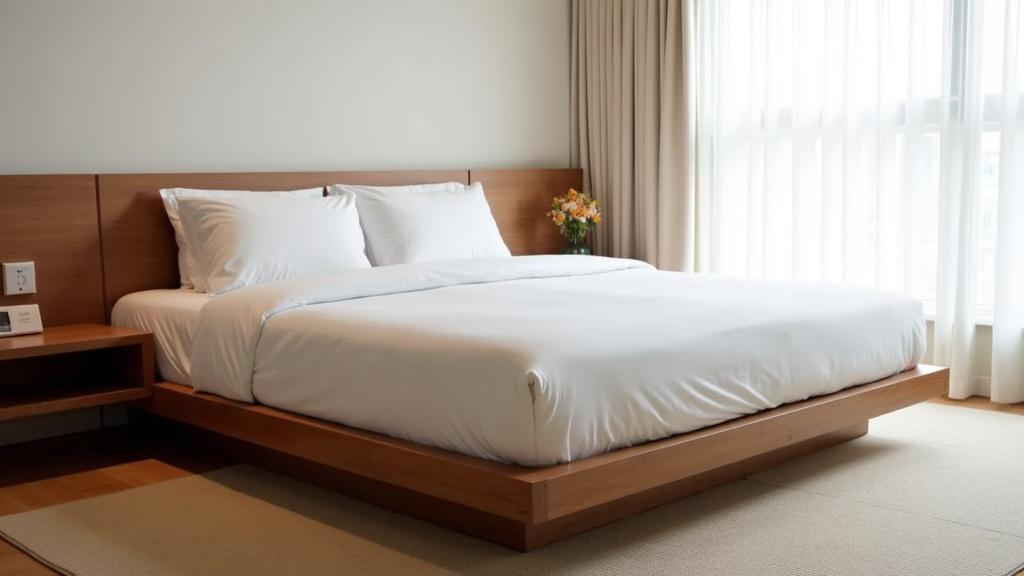
Japanese beds are typically low to the ground to provide a sense of spaciousness in smaller rooms and allow for easier access in traditional homes. This design choice also connects to cultural practices like sleeping on futons laid directly on tatami mats, which are meant to be aired out. You’ll find this low profile is a hallmark of Japanese interior design, creating an open and airy feel.
Beyond aesthetics and tradition, this low sleeping style can also be linked to factors like earthquake preparedness and a focus on natural materials. Many Japanese homes are built with earthquake resilience in mind. Keeping heavy furniture like beds low can help reduce damage during seismic activity. It’s a thoughtful approach to living that prioritizes both form and function.
- They create a sense of spaciousness.
- They connect to traditional sleeping with futons.
- They can improve earthquake safety.
- They emphasize natural materials and simplicity.
We’ve gathered some key reasons why Japanese beds are designed this way. Let’s walk through exactly how this design choice benefits both living space and lifestyle.
Exploring the Design of Low Japanese Beds
You might be wondering why Japanese beds are often so low to the ground. It’s a design choice with deep roots. These beds offer a unique aesthetic and practical benefits. We’ve looked into the reasons behind this distinctive style.
Creating Openness and Space in Your Home
One of the most immediate benefits of a low bed is the feeling of spaciousness it creates. This is especially true in smaller living areas. A lower profile makes your room feel larger and less cluttered. It opens up visual space.
The Illusion of a Bigger Room
When furniture is lower, your eye travels further across the floor. This visual trick makes the room seem more expansive. It’s a simple yet effective design principle. You get more perceived space without adding square footage. This makes even a compact room feel airy and open.
A Simpler, Calmer Environment
Low beds contribute to a minimalist aesthetic. This can lead to a more serene living space. Less visual bulk helps to reduce stress. It’s about creating a peaceful sanctuary in your home. This calm atmosphere is highly sought after.
Connection to Traditional Japanese Living
Japanese culture has a long history with specific ways of living. The low bed design ties into these traditions. It’s not just about looks; it’s about a way of life.
The Futon and Tatami Mat Tradition
Historically, many people in Japan slept on futons. These were often laid directly on tatami mats. Tatami mats are woven from rice straw and have a distinct scent. They were also meant to be aired out regularly. A low bed setup makes it easier to move and store futons.
This practice connected people more closely to their living space. Sleeping on the floor was common. The futon could be folded and put away each morning. This freed up the room for other uses during the day. It’s a very practical approach.
Emphasis on Natural Materials
Japanese design often favors natural materials. Wood, bamboo, and natural fibers are common. Low bed frames made from these materials enhance this connection to nature. They bring an organic feel indoors.
This focus on natural elements supports a grounded and balanced lifestyle. It aligns with a philosophy of simplicity and harmony. The materials themselves often have a calming effect.
Practical Benefits of Low-Profile Beds
Beyond aesthetics and tradition, low beds offer tangible advantages. These practical aspects are often overlooked. They contribute to a more functional living space. Beyond aesthetics and tradition, low beds offer tangible advantages; our guide helps you choose the right bed frame.
Enhanced Safety in Earthquake-Prone Regions
Japan is known for its seismic activity. Designing homes with earthquakes in mind is crucial. Keeping heavy furniture, like beds, low to the ground can improve safety.
If furniture is top-heavy or too tall, it poses a greater falling hazard. Lowering the center of gravity for your bed reduces this risk. This design choice helps minimize potential damage and injury during tremors. Many experts acknowledge this safety consideration (Japanese National Research Institute for Earth Science and Disaster Prevention).
Easier Access and Mobility
For some individuals, low beds can offer easier entry and exit. This is particularly helpful for those with mobility challenges. You don’t have to lift yourself as high. It can reduce strain on joints. Getting out of bed can feel less of an effort.
Think about climbing into or out of a very high bed. It requires a certain amount of strength and balance. A low bed simplifies this motion. It makes the act of getting up feel more natural and less demanding.
Improved Airflow and Temperature Regulation
Sleeping close to the floor can sometimes offer temperature benefits. In warmer months, the air closer to the floor tends to be cooler. This can make sleeping more comfortable. It’s a natural way to stay cool.
This is especially relevant if you use a futon. Air circulation around the futon is important. A low bed frame allows for better airflow beneath your sleeping surface. This helps prevent moisture buildup and keeps things fresh.
A Comparison: High vs. Low Bed Frames
To really understand the appeal, let’s compare typical bed frames.
| Feature | High Bed Frame | Low Japanese-Style Bed Frame |
|---|---|---|
| Visual Impact | Can make rooms feel smaller; visually dominant. | Creates an illusion of more space; feels open. |
| Traditional Connection | Less common in traditional Japanese design. | Strong ties to futon culture and tatami mats. |
| Safety (Earthquakes) | Higher center of gravity; greater falling risk. | Lower center of gravity; enhanced stability. |
| Storage | Often offers significant under-bed storage. | Limited or no under-bed storage. |
| Accessibility | May be difficult for those with mobility issues. | Often easier to get in and out of. |
Are Low Beds Right for You?
Considering a low bed involves thinking about your lifestyle. It’s about personal preference and practicality. Are you drawn to a minimalist aesthetic? Do you live in an area prone to earthquakes?
If you’re looking to make a smaller room feel larger, a low bed is a great choice. If you value simplicity and natural materials, it fits well. For those concerned about home safety, the lower profile is a plus.
Things to Consider for Your Low Bed Setup:
- Mattress Type: Ensure your mattress works well with a low frame.
- Floor Clearance: Think about how much space you need underneath.
- Room Layout: Plan how furniture placement will enhance the open feel.
- Personal Comfort: Test if getting up and down feels right for you.
- Cleaning: You’ll need to sweep or vacuum under the bed.
- Under-Bed Storage: Decide if you need storage solutions for this space.
Conclusion
You’ve learned that the low profile of Japanese beds isn’t just a design trend. It’s a thoughtful integration of cultural tradition, practical living, and even safety. This design enhances your living space by creating a sense of openness and calm. It also connects you to practices like sleeping on futons and using natural materials. Considering a low bed can bring these benefits into your home. If you’re ready to bring more peace and spaciousness into your room, exploring low Japanese-style bed frames is your next best step.
Frequently Asked Questions
Do low beds make it harder to clean the floor underneath?
Yes, cleaning under a very low bed can require a bit more effort. You’ll likely need a slim vacuum cleaner or a mop with a low profile. Regular sweeping can also help prevent dust buildup. It’s a small trade-off for the aesthetic and practical benefits.
Can I still use my regular mattress with a low Japanese bed frame?
Generally, yes, you can use a standard mattress. However, ensure your mattress isn’t excessively thick, as this can slightly negate the low profile. Some people prefer thinner mattresses or Japanese-style futons for an authentic feel. Always check the frame’s specifications for mattress compatibility. When considering a low bed, check mattress compatibility to ensure it works well with the frame.
Is sleeping on a low bed bad for your back?
For most people, sleeping on a low bed is not inherently bad for your back. It really depends on your personal comfort and existing back conditions. Some find it easier to get up and down, which can reduce strain. If you have specific back issues, it’s always best to consult with a doctor.
Are low beds only for small rooms?
No, low beds are not exclusive to small rooms. While they excel at making smaller spaces feel larger, they can also create a serene, grounded atmosphere in larger rooms. This minimalist look can make any bedroom feel more tranquil and spacious.
Will a low bed feel cold sleeping close to the floor?
In warmer climates or seasons, sleeping closer to the floor can feel cooler due to cooler air currents. In colder environments, the floor might feel cooler. Using a thicker mattress or adding a rug nearby can help mitigate any chill. Many find the airflow it provides more beneficial for comfortable sleep.