
Futon vs Platform Bed: How the Two Compare
When choosing between a futon and a platform bed, platform beds generally offer better mattress support and a more permanent bedroom setup. A futon is often the better choice for space-saving and guest room flexibility. We found that their primary differences lie in their construction and intended use.
Think of a futon as a multi-functional piece of furniture, easily transforming from a sofa to a bed. A platform bed, on the other hand, is a bed frame designed to hold a mattress directly, often with built-in support slats. Understanding these core distinctions will help you decide which is right for your needs.
- Futons are versatile sofa-beds.
- Platform beds are sturdy bed frames.
- Futons save space, great for small rooms.
- Platform beds offer superior mattress support.
- Your choice depends on room size and use.
Let’s break down the key differences to help you make the best choice for your home.
Futon vs. Platform Bed: Weighing Your Options
When you’re looking for a new bed frame, two popular choices often come up: the futon and the platform bed. They might seem similar at first glance, but they serve different purposes. We’ve looked into what makes each one unique. Your decision really boils down to how you plan to use the furniture and the space you have available. Let’s compare them head-to-head. Our guide on how to choose a bed frame can help you make the best decision.
Understanding Futon Functionality
A futon is a clever piece of furniture. It’s designed to be both a comfortable sofa and a functional bed. This dual-purpose nature makes it a favorite for many. We found its main appeal lies in its adaptability.
The Sofa-to-Bed Transformation
The defining feature of a futon is its ability to fold and unfold. You can easily convert it from a couch during the day to a bed at night. This transformation usually involves pulling a lever or simply pushing the backrest down. Many futons use a metal frame with a mattress that folds along with it. This makes it incredibly convenient for small apartments or guest rooms where space is tight. We found that the mechanism is generally straightforward and doesn’t require much effort.
Mattress Support and Comfort
Futon mattresses are typically made of foam, cotton, or a combination. They are designed to be flexible enough to fold. Because of this, they might not offer the same level of firmness as a traditional mattress. Many experts suggest that futon mattresses can sometimes feel firmer than standard ones. This is because they need to withstand the bending and folding. Over time, we’ve seen that the mattress might compress or develop a less even feel. This is something to consider if you plan on using it as your primary sleeping surface every night.
Space-Saving and Versatility
This is where the futon truly shines. Its ability to serve as both seating and sleeping furniture is a huge advantage for small spaces. Think of a studio apartment or a dorm room. A futon can be the living room sofa and the guest bed, all rolled into one. We found that this dual-functionality significantly reduces the need for extra furniture. This can free up valuable floor space. It’s also great for a home office that occasionally hosts overnight guests. You get a couch for working and a bed for sleeping, without needing a separate guest room.
Exploring Platform Bed Advantages
A platform bed is built with a singular purpose: to be a sturdy and reliable bed frame. It’s designed to hold a mattress directly, without the need for a box spring. We found this design offers distinct benefits for sleep and durability.
Solid Foundation for Your Mattress
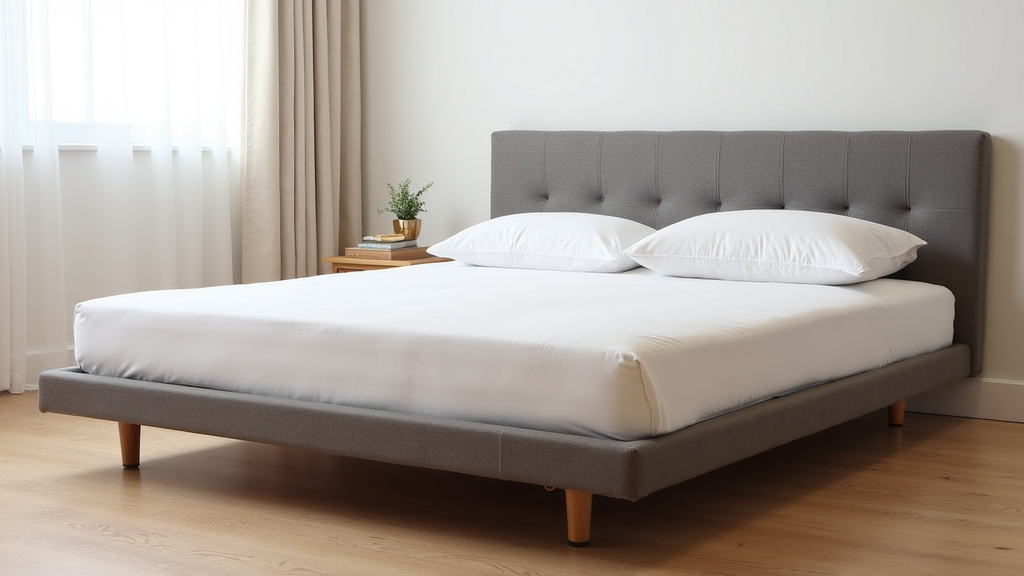
Platform beds typically feature a solid surface or a series of closely spaced slats. This provides excellent support for your mattress. Unlike traditional bed frames that often require a box spring, platform beds eliminate that need. The solid base prevents sagging and helps extend the life of your mattress. Many mattress manufacturers recommend platform beds because they offer consistent support. We found that this uniformity can lead to a more comfortable and supportive sleeping experience. It helps your mattress maintain its shape and integrity for longer.
Durability and Longevity
Because platform beds are built as a dedicated bed frame, they are often constructed with sturdier materials. Common materials include wood, metal, or upholstered frames. These frames are engineered to support the weight of a mattress and sleepers without significant wear and tear. We found that a well-made platform bed can last for many years. It’s a more permanent fixture in your bedroom. They don’t go through the same folding and unfolding stresses that a futon does. This inherent stability contributes to their overall longevity.
Aesthetic and Design Options
Platform beds come in a vast array of styles and designs. You can find minimalist, modern frames, or more traditional, ornate ones. Upholstered headboards, built-in drawers, and various color options are common. This allows you to easily match the bed frame to your bedroom decor. We found that this wide selection makes it easier to create a cohesive and visually appealing bedroom space. It’s more about creating a sanctuary for rest.
Key Differences at a Glance
To help you see the distinctions clearly, let’s summarize the main points. Understanding these differences is key to making the right choice for your home.
Functionality and Purpose
A futon is a dual-purpose piece of furniture, functioning as both a sofa and a bed. It’s designed for flexibility and space-saving. A platform bed is a dedicated bed frame, designed solely for sleeping. Its purpose is to provide a stable and supportive base for your mattress.
Space Requirements
Futons are excellent for small rooms or multi-use spaces. They can be folded away to save floor space when not in use as a bed. Platform beds, on the other hand, take up a dedicated footprint in your room. They are best suited for bedrooms where you have ample space for a permanent bed structure.
Mattress Compatibility and Support
Futons come with their own specialized mattresses that must be flexible. While they can be comfortable, they might not offer the same deep support as traditional mattresses. Platform beds are designed to work with standard mattresses and provide consistent, even support through their slat system or solid base. Many mattress companies recommend platform beds for optimal support (Sleep Foundation).
Comparing Construction and Materials
The way each is built directly impacts its performance and lifespan. Let’s look at the common materials and how they are used.
Futon Construction
Most futon frames are made of metal or wood. Metal frames are often lighter and more affordable. They typically use a folding mechanism integrated into the frame. Wooden futon frames can be more aesthetically pleasing but might be heavier. The mattress is usually a separate, albeit specific, component designed to fold.
Platform Bed Construction
Platform beds are built with durability in mind. They often use solid wood, engineered wood, or metal. The base consists of either solid panels or a series of slats spaced closely together. These slats are designed to support the mattress without the need for a box spring. Some higher-end models might even include adjustable bases for added comfort.
Who Is Each Bed For?
Deciding between a futon and a platform bed comes down to your lifestyle and living situation.
The Ideal Futon User
You might be a great candidate for a futon if you live in a small apartment or dorm room. If you frequently host guests but don’t have a dedicated guest room, a futon is a smart solution. It’s also a good choice for a home office or den that needs to double as a sleeping area. If budget and space-saving are your top priorities, a futon deserves a close look.
The Ideal Platform Bed User
A platform bed is likely your best bet if you have a dedicated bedroom. If you prioritize mattress support and a good night’s sleep, a platform bed offers superior comfort. You want a bed frame that will last for years and complement your bedroom decor. If you’re investing in a quality mattress, a platform bed will help you get the most out of it.
Making Your Final Choice: A Quick Checklist
Here’s a simple way to think about what matters most to you:
- Do you need furniture that serves multiple purposes? (Futon)
- Is maximizing floor space in a small room a priority? (Futon)
- Do you want a dedicated, permanent sleeping solution? (Platform Bed)
- Is superior, consistent mattress support important for your sleep? (Platform Bed)
- Are you looking for a wide range of style options for your bedroom? (Platform Bed)
- Do you plan to use a standard, non-folding mattress? (Platform Bed)
Conclusion
So, you’ve weighed the options between a futon and a platform bed. Remember, a futon shines as a space-saving, multi-functional piece, perfect for studios or guest rooms. On the flip side, a platform bed offers superior mattress support and a dedicated sleeping solution, ideal for a more permanent bedroom setup. Your choice depends on your available space and how you plan to use the furniture daily. Consider these core differences, and you’ll find the right fit for your home and lifestyle.
Frequently Asked Questions
Can a futon mattress be used on a platform bed?
Generally, no. Futon mattresses are designed to be flexible for folding. They may not provide adequate support or fit well on a standard platform bed frame. Using a futon mattress on a platform bed could lead to discomfort and damage to both the mattress and the frame.
Do platform beds require a box spring?
No, platform beds are designed specifically to be used without a box spring. Their construction typically includes a system of slats or a solid base that provides all the necessary support for your mattress. Using a box spring with a platform bed can actually damage the frame and void your mattress warranty.
How often should I replace my futon mattress?
We found that futon mattresses may need replacing more often than standard mattresses, especially if used daily. Look for signs of sagging, unevenness, or reduced comfort. Depending on usage and quality, you might consider replacement every 3-5 years.
Are platform beds better for back pain than futons?
For most people, a platform bed likely offers better support for back pain. They provide a firm, even surface for your mattress. A futon mattress, designed for flexibility, might not offer the same consistent spinal alignment. We recommend consulting a doctor for personalized advice on sleep surfaces for back pain.
Can I put any type of mattress on a futon frame?
Only a futon-specific mattress is suitable for a futon frame. These mattresses are designed to bend and fold with the frame. Standard mattresses are too stiff and will not fold correctly, potentially damaging both the mattress and the futon mechanism.