What Does Low Profile Bed Frame Mean? Explained
What Exactly Is a Low Profile Bed Frame?
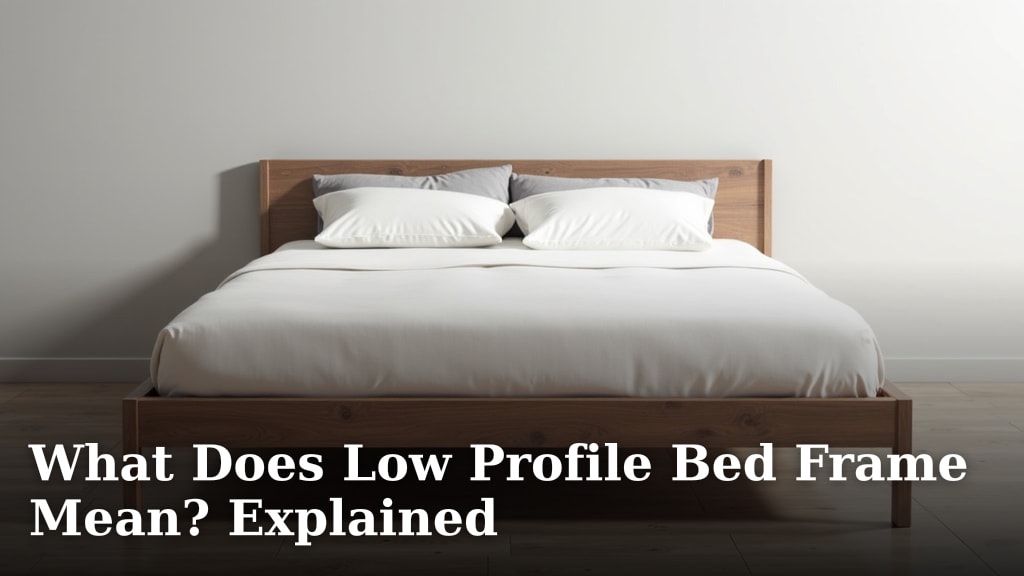
A low profile bed frame is a foundation designed to sit **closer to the floor** than a traditional frame. It typically has a height of **5 to 8 inches** from the floor to the top of the slats or platform. This minimal clearance creates a sleek, modern, and grounded look for your bed. Think of it as the bed frame equivalent of a sleek sports car versus a lifted truck—it’s all about a streamlined stance.
The primary goal is to reduce the overall height of your bed from floor to mattress top. For many sleepers, this simple adjustment can make a huge difference. We found that this style has gained significant popularity due to its clean aesthetic and practical benefits for various room sizes and personal preferences.
Key Benefits of Choosing a Low Profile Style
Why would someone deliberately choose a bed that sits lower? The advantages go beyond just looks. Many of these benefits are interconnected, creating a more comfortable and functional bedroom environment.
Improved Room Aesthetics and Spaciousness
A bed that sits lower to the ground instantly makes a room feel larger and more open. This is a crucial effect for smaller bedrooms or rooms with low ceilings. The visual line of sight flows under and around the bed, reducing that bulky, furniture-heavy feeling.
Creating a Modern Minimalist Vibe
Low profile frames are a cornerstone of contemporary and minimalist design. They provide a **clean, uncluttered foundation** for your mattress. You won’t need a bulky box spring on top, which adds to the streamlined look. The frame often becomes an invisible support, letting your bedding and bedroom decor take center stage.
Easier Bed Making and Accessibility
This is a point many shoppers don’t consider at first. A lower bed can be significantly easier to make. You don’t have to reach as high to tuck in sheets or arrange a duvet. For some, this reduces a daily chore from a stretching task to a simple one.
A Practical Choice for Many Lifestyles
For individuals with mobility challenges or who are recovering from injury, stepping onto a lower surface can be safer and more manageable. According to general safety guidelines, reducing step height is a common recommendation for fall prevention in home environments (CDC). Always consult with a healthcare provider for specific advice.
Potential for Better Stability
A frame with a lower center of gravity can feel inherently more **stable and secure**. This doesn’t mean a tall frame is unstable, but the mass of the bed is closer to the ground. This can translate to less wobble or creaking during movement, which is a nice bonus for light sleepers.
Important Considerations Before You Buy
A low profile frame isn’t perfect for every situation. Before you click “add to cart,” you should weigh these practical factors. Your sleep quality and daily comfort depend on making an informed choice.
Under-Bed Storage Limitations
The most obvious trade-off is storage. With only a few inches of clearance, you won’t be able to slide large plastic bins or suitcases underneath. You might only fit flat items like shoes or a thin vacuum cleaner.
| Feature | Low Profile Frame | Standard Frame (with Box Spring) |
|---|---|---|
| Approx. Height | 5-8 inches | 14-18 inches |
| Under-Bed Storage | Minimal (flat items only) | Substantial (room for bins) |
| Mattress Height Feel | Lower to the ground | Higher, easier entry/exit |
| Best For | Small rooms, modern style, stability | Storage needs, traditional height preference |
Mattress Compatibility is Key
You must ensure your mattress is compatible. Most all-foam, latex, and hybrid mattresses work great on a platform-style low profile frame. Some innerspring mattresses, however, are designed to be used with a box spring for proper support. Using the wrong combination could **void your mattress warranty** and lead to premature sagging.
Getting In and Out of Bed
For most adults, a lower bed is perfectly fine. But for very tall individuals, people with knee or hip issues, or the elderly, a very low bed might actually be harder to use. Getting up from a deep squat position can strain joints. Many sleep experts suggest a bed height where your knees are at a roughly 90-degree angle when sitting on the edge (Mayo Clinic).
How to Measure and Choose the Right Height
Don’t just guess. Follow these steps to ensure a perfect fit for your needs and body.
The 4-Step Measurement Guide
- Measure Your Current Setup: Note the height from the floor to the top of your mattress. This is your baseline.
- Consider Your Mattress Thickness: Add your new mattress height to the frame height. A 10-inch mattress on a 6-inch frame gives a total sleeping surface height of 16 inches.
- Test the Final Height: Use a stack of books or boxes to simulate the combined height. Sit on the edge. Is it comfortable for you to get up and down?
- Check Door Clearance: Ensure the total height of your bed, including the mattress, won’t interfere with opening bedroom or closet doors.
Ideal Heights for Common Needs
We found that the “sweet spot” for most people is a total mattress top height of **20 to 25 inches** from the floor. This range balances ease of entry with the stylish look. If you need more storage, you might opt for a low profile frame that still offers 10-12 inches of clearance.
Styling Tips for Your Low Profile Bed
You’ve got the frame. Now, how do you make it look intentional and stylish?
Bedding and Proportions
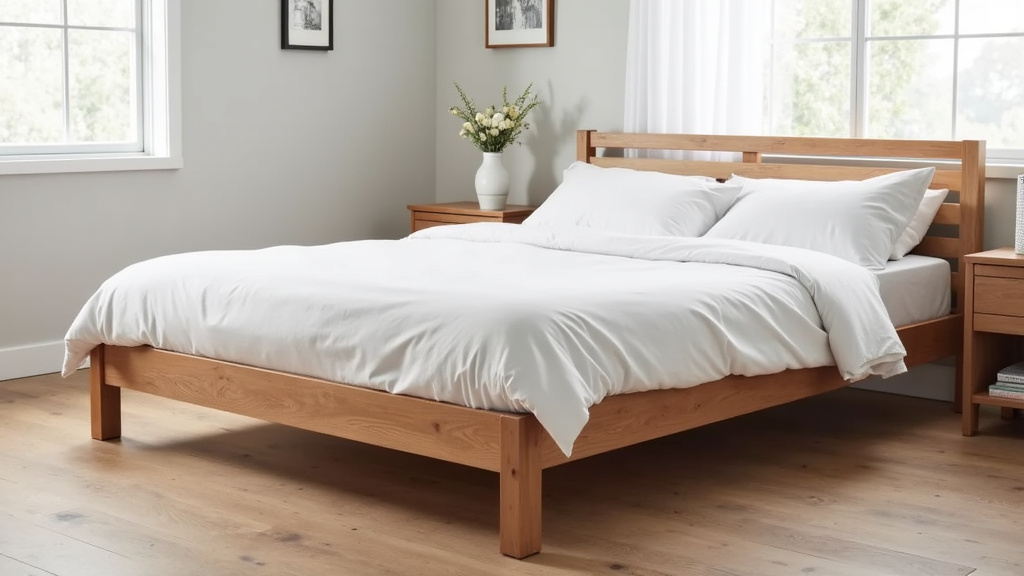
Since the bed sits lower, you can have fun with proportions. A **thicker mattress** (12 inches or more) can add a plush, luxurious look without excessive height. Use a bed skirt or let long, flowing linens reach the floor to hide the frame if it’s not a decorative piece.
Complementing Furniture
Pair your low bed with other low-profile furniture. Nightstands that are the same height as your mattress top create a **harmonious, horizontal line** around the room. This reinforces the modern, grounded feel. A slightly taller headboard can add a stunning vertical contrast.
Final Checklist Before Purchasing
Use this quick list to make sure a low profile frame is right for you.
- Measure twice: Confirm frame height + mattress height gives you the ideal total sleeping surface.
- Prioritize needs: Do you need under-bed storage more than you want the low, sleek look?
- Check compatibility: Verify your mattress type works without a box spring.
- Think about accessibility: Consider your mobility and how easily you can get in and out of bed.
- Visualize the room: Ensure the scale fits your space and other furniture.
- Read reviews: Look for comments on sturdiness and ease of assembly from other buyers.
A low profile bed frame is a thoughtful choice that blends form and function. It offers a clear aesthetic upgrade and practical benefits for many shoppers. By carefully considering your needs and measuring correctly, you can confidently choose a frame that supports great sleep and a beautiful bedroom.
Conclusion
Choosing a low profile bed frame means prioritizing a clean, modern look and specific practical benefits. You get a room that feels larger and a bed that can be easier to make and more stable. However, this style requires careful thought about under-bed storage limits and getting in and out of bed comfortably.
Our best advice is to **measure your ideal sleeping surface height** before buying. Combine the frame height with your mattress thickness. Then, simulate that height with boxes to test if it feels right for you. This simple step ensures you gain the aesthetic benefits without compromising your daily comfort.
Frequently Asked Questions
Will my mattress work on a low profile frame?
Most all-foam, latex, and hybrid mattresses are designed to work perfectly on a low profile platform frame. However, some innerspring mattresses are built to be used only with a box spring for proper support. Always check your mattress warranty and manufacturer guidelines to be sure.
Can I still store things under a low profile bed?
Storage space will be very limited. You can typically only fit very flat items like shoes, thin blankets, or a slim vacuum cleaner. If under-bed storage is a priority for you, a standard bed frame might be a better choice.
Is a low profile bed good for kids or pets?
For many kids and pets, a low bed can be ideal as it minimizes the risk of falling from a great height. It allows for easy independence for young children getting in and out. Just be aware that it offers very little hiding space underneath for curious pets.
Do low profile frames damage hardwood floors?
Like any heavy furniture, they can potentially cause scratches or dents over time. Most frames include **non-marring foot pads** to protect flooring. We always recommend checking that pads are included and in good condition, or you can buy felt pads separately.
Can I add a tall headboard to a low bed?
Absolutely. Pairing a low frame with a tall, dramatic headboard is a popular design choice. It creates a striking vertical contrast that can make the bed a stunning focal point while keeping the sleek, grounded base you wanted.