What Is a Built In Platform Bed? Fixed Frames
On this page (9 sections)
- Understanding Built-In Platform Bed Frames
- Key Characteristics of Fixed Platform Beds
- Advantages of Choosing a Built-In Platform Bed
- Potential Downsides and Considerations
- Types of Built-In Platform Bed Designs
- Materials Used in Construction
- Is a Built-In Platform Bed Right For You? Checklist
- Conclusion
- Frequently Asked Questions
A built-in platform bed is a bed frame that is permanently attached to your bedroom walls and floor, creating a solid, integrated sleeping surface. Think of it as a custom-built foundation for your mattress, often with storage hidden beneath. It’s not a typical movable bed frame; it’s a fixed structure designed for your space.
These fixed frames offer a clean, minimalist look and can be a smart solution for smaller rooms. Since they don’t have traditional legs, they often appear to float or are flush with the floor. Many people choose them for their streamlined appearance and the potential for hidden storage solutions they provide.
- What it is: A bed frame permanently fixed to your room.
- Key features: Integrated design, often with hidden storage.
- Why people choose them: For a clean, minimalist look and space-saving benefits.
- DIY potential: Can be a custom project or a simpler pre-fab option.
Ready to understand if a built-in platform bed is the right choice for your bedroom? Let’s break down what makes these fixed frames unique and what you should consider.
Understanding Built-In Platform Bed Frames
So, what exactly is a built-in platform bed? Think of it as a permanent fixture in your bedroom. Unlike a standard bed frame you can move or disassemble, this is a structure that’s fixed to your walls and floor. It becomes part of the room itself, offering a really clean and streamlined look. Many people are drawn to this because it can make a room feel much larger and more organized. It’s like having a custom-made foundation for your mattress, eliminating any wobbling or movement you might get from a traditional frame.
These fixed platforms often sit floor bed frames, sometimes appearing to float. This design choice contributes to their modern aesthetic. For a related design, see how floating bed frames use hidden supports. Because they are built in, they remove the need for a separate headboard or footboard in many cases. You get a solid, integrated sleeping surface that feels both sturdy and stylish. This type of bed is less about temporary furniture and more about creating a dedicated, cohesive space for rest.
Key Characteristics of Fixed Platform Beds
When we talk about built-in platform beds, a few distinct features come to mind. The most obvious is their permanent installation. They aren’t going anywhere once set up. This is achieved by anchoring them securely to the room’s structure. This permanence is what gives them their incredible stability. You won’t have to worry about creaks or shakes during the night.
Another major characteristic is the low-profile design. Most built-in platform beds are very close to the floor. This can make your room feel more spacious and open. It also contributes to a minimalist look. Some designs are so low they truly seem to hover, which is a popular design choice for contemporary bedrooms. This design choice also means they often don’t require a box spring, as the platform itself provides the necessary support for your mattress.
Finally, the concept of built-in storage is a huge draw. Because the frame is custom or semi-custom, designers can incorporate drawers, shelves, or even hidden compartments. This is especially helpful in smaller living spaces where maximizing every inch of storage is key. You can essentially have a beautiful bed that also functions as a discreet storage unit, hiding away clutter and keeping your room tidy.
Advantages of Choosing a Built-In Platform Bed
One of the biggest pluses of a built-in platform bed is the enhanced stability it offers. Because it’s anchored to the room, it feels incredibly solid. There’s no chance of it shifting or wobbling. This can lead to a more peaceful and undisturbed sleep. Many users report that the lack of movement makes a noticeable difference in their sleep quality. It’s like sleeping on a solid foundation, offering a sense of security.
Another significant benefit is the aesthetic appeal. Built-in beds create a very clean, uncluttered look. They integrate so well into the room that they often become a focal point. The sleek lines and low profile can make even a small bedroom feel larger and more luxurious. It’s a design choice that promotes a sense of calm and order, which is perfect for a space dedicated to relaxation.
For those struggling with limited space, the storage potential is a game-changer. Imagine having drawers seamlessly built into your bed frame. You can store extra linens, seasonal clothing, or books without cluttering your room. Some designs even have lift-up mattress bases, revealing large hidden compartments. This clever use of space can make a huge difference in keeping your bedroom organized and feeling more expansive. It’s like getting a two-in-one piece of furniture: a comfortable bed and a functional storage solution.
Durability and Longevity
When a bed is built into your room, it’s typically constructed with sturdier materials and methods. This means they are often built to last. Unlike freestanding bed frames that might loosen over time, a fixed platform bed is part of the room’s structure. This structural integration contributes to its overall robustness. Many experts say that furniture that is permanently installed tends to be more durable than movable pieces (Consumer Reports).
Space Optimization
This is where built-in platform beds truly shine. They are fantastic for maximizing small rooms. By eliminating the space usually taken up by traditional bed legs and allowing for integrated storage, they make the most of every square foot. You can have a comfortable king-size bed in a room that might otherwise only accommodate a smaller one. It’s a smart way to get more functionality out of your living area without making it feel cramped. Think of it as reclaiming lost space.
Potential Downsides and Considerations
While built-in platform beds have many attractive features, it’s important to consider the drawbacks too. The most significant is their lack of portability. Once installed, it’s not something you can easily move. If you plan to relocate or redecorate frequently, this could be a major issue. Moving houses would require either leaving the bed behind or undertaking a complex deconstruction and reconstruction process. This permanence means you need to be very sure about your long-term plans for the room.
Another point to consider is the installation process. Building a fixed bed frame often requires professional installation. This can add to the overall cost. You might need carpenters or contractors to ensure it’s installed safely and securely. If you’re thinking of a DIY project, be prepared for a significant undertaking that requires specific tools and building knowledge. Incorrect installation could compromise the bed’s stability and safety.
Finally, the design limitations can be a factor. While many built-in beds offer customization, you are still working within the confines of your room. You might not achieve the exact aesthetic you desire if the room has unusual architectural features. Also, repairs or modifications can be more challenging. If something breaks or you want to change the look, it’s not as simple as replacing a part on a standard bed frame.
Installation Complexity and Cost
Setting up a built-in platform bed is usually more involved than assembling a standard frame. It often requires specialized tools and skills. Many people choose to hire professionals, which adds to the overall expense. The cost can vary widely depending on the complexity of the design and whether you’re using custom materials or a pre-fabricated kit. We found that professional installation can range from a few hundred to over a thousand dollars, depending on your location and the scope of the work.
Limited Mobility and Future Changes
As we touched on, the biggest drawback is immobility. If you envision moving residences within the next few years, a built-in bed might not be the best choice. It’s essentially a permanent addition to your home. Changing your room’s layout later on can also be difficult. You can’t simply rearrange furniture if your needs or preferences shift. This lack of flexibility is a crucial factor to weigh before committing to this type of bed.
Types of Built-In Platform Bed Designs
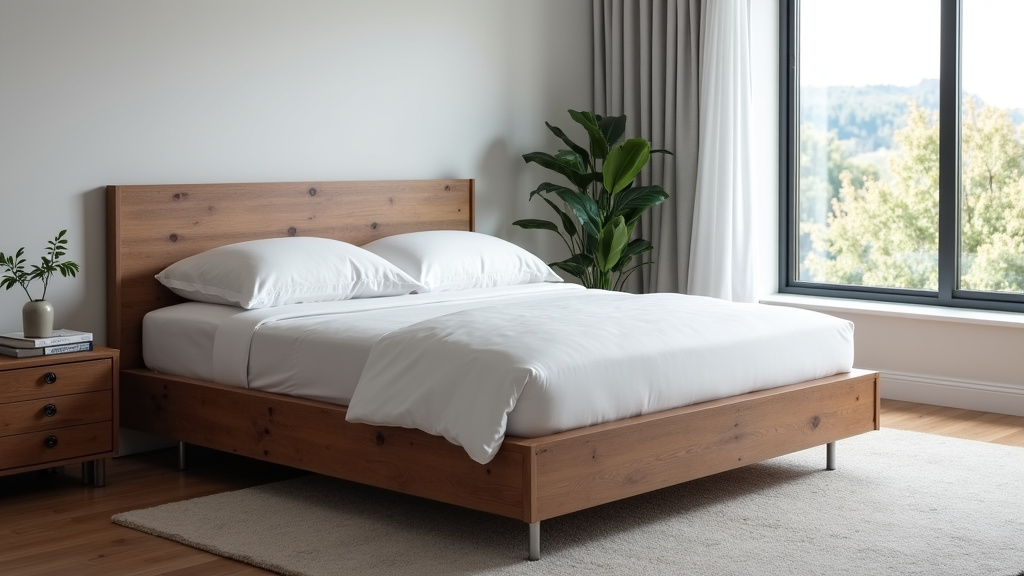
When exploring built-in platform beds, you’ll find a variety of designs tailored to different needs and styles. Some are very basic, focusing purely on creating a solid, low platform for the mattress. These are often the simplest to construct and can be a great DIY project if you have some woodworking experience. They provide the core benefit of a stable, integrated sleeping surface without extra features.
Others are designed with elaborate storage solutions. These might include a series of deep drawers running along the sides and foot of the bed. Some even feature lift-up mattress bases, revealing cavernous storage spaces beneath. This type of design is ideal for maximizing space in smaller apartments or studios, essentially combining a bed, dresser, and linen closet into one unit. Many interior designers suggest these for maximizing functionality in limited square footage.
There are also designs that incorporate seating areas or headboard features directly into the built-in structure. Imagine a bed that flows seamlessly into a small bench or has a custom-built shelving unit serving as a headboard. These designs are often the most complex and expensive but offer a truly bespoke look. They can transform a bedroom into a highly functional and stylish living space.
Simple Platform Styles
These are the most straightforward built-in beds. They focus on creating a sturdy, low-profile base for your mattress. Think of a solid, wooden box that is permanently fixed to the floor and walls. They are ideal if you have a separate headboard you love or if you prefer a minimalist aesthetic. Their simplicity also makes them more accessible for DIY enthusiasts.
Storage-Centric Designs
This is where built-in beds can really prove their worth. Many designs incorporate drawers or cabinets directly into the frame. Some feature lift-up mechanisms for under-mattress storage. These are fantastic for anyone looking to declutter and maximize their bedroom’s storage capacity. It’s a clever way to keep linens, clothes, or other items out of sight.
Integrated Furniture Styles
These are more elaborate designs. They might include built-in nightstands, shelving units that serve as headboards, or even small seating areas. These beds are often custom-made and can become a significant architectural feature in the room. They offer a high degree of personalization and can create a truly unique bedroom environment.
Materials Used in Construction
The materials used for built-in platform beds are generally chosen for their strength and durability. Solid wood, such as pine, oak, or maple, is a popular choice. It’s strong, can be easily worked with, and offers a natural aesthetic. Plywood is also frequently used, especially for the platform surface and the internal structure, because it provides excellent stability and is less prone to warping than solid wood in large sheets.
In some cases, manufacturers might use engineered wood products or even metal framing for added strength, particularly for very large beds or those designed to support significant weight. The finish can vary greatly, from natural wood stains to painted surfaces, allowing you to match the bed to your room’s decor. The key is that the materials must be robust enough to withstand permanent installation and daily use for years to come. We found that a combination of solid wood for visible parts and quality plywood for structural support is common.
Is a Built-In Platform Bed Right For You? Checklist
Before you decide, consider these points:
- Do you plan to stay in your current home for a long time?
- Do you have limited space and need extra storage?
- Are you looking for an extremely stable and quiet bed frame?
- Do you prefer a minimalist, uncluttered bedroom aesthetic?
- Are you comfortable with a permanent fixture in your room?
- Do you have the budget for professional installation if needed?
Conclusion
Built-in platform beds offer a unique solution for your bedroom. They provide incredible stability and a clean, minimalist look that can make your space feel larger. If you’re looking to maximize storage and prefer a permanent, integrated sleeping surface, this could be an excellent choice for your home. Just remember to weigh the permanence against your future plans. If you’re ready to commit to a streamlined and sturdy sleep setup, start planning your built-in platform bed today by consulting with a local contractor or designer to get custom quotes.
Frequently Asked Questions
Can I install a built-in platform bed myself?
While some simpler designs might be suitable for experienced DIYers with the right tools and knowledge, most built-in platform beds require professional installation. Securing the frame to your walls and floor safely and correctly is essential for stability and longevity. It’s often best to consult with carpenters or contractors to ensure proper setup and avoid potential issues.
What kind of mattresses work best with built-in platform beds?
Most built-in platform beds are designed to work with standard mattresses, as they provide a solid, flat foundation. Since they often don’t require a box spring, you can typically place your mattress directly on the platform. Memory foam, latex, and hybrid mattresses are excellent choices and benefit from the consistent support. Always check the manufacturer’s recommendations for your specific bed frame.
How do I clean a built-in platform bed?
Cleaning typically involves dusting the surfaces regularly with a soft cloth. For any spills or tougher spots, use a damp cloth and mild cleaning solution suitable for the material (wood, laminate, etc.). If your bed has drawers or under-mattress storage, vacuum out any dust or debris periodically. Always ensure surfaces are dry afterward to prevent damage.
What if I want to change my bedroom layout later?
This is a major consideration. Because built-in platform beds are permanently fixed, they aren’t easy to move or rearrange. If you anticipate needing to change your room’s layout frequently or move residences in the near future, a built-in bed might not be the most flexible option. You would likely need to leave it behind or undertake a significant deconstruction process.
Are built-in platform beds more expensive than regular bed frames?
Generally, yes, built-in platform beds can be more expensive upfront. This is due to the custom design, materials, and often the cost of professional installation. While a simple freestanding frame might be cheaper initially, the long-term benefits of durability, integrated storage, and aesthetic appeal can make a built-in bed a worthwhile investment for many homeowners.


