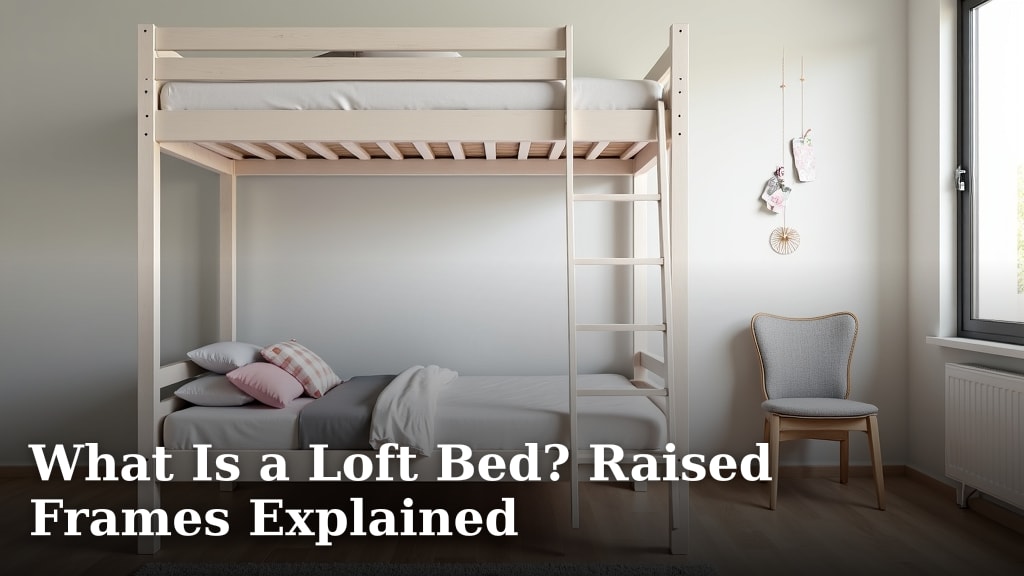
What Is a Loft Bed? Raised Frames Explained
A loft bed is a type of bed frame that is raised significantly off the floor. This creates usable space underneath for desks, storage, or even a seating area. Think of it as a bed that’s also a smart space-saver, perfect for smaller rooms or maximizing functionality.
These raised frames are designed to lift your sleeping area up and out of the way. They are a popular choice for dorm rooms, children’s bedrooms, and studio apartments. Many designs offer a variety of features to help you make the most of your room.
- Loft beds are raised bed frames.
- They create usable space beneath the bed.
- Ideal for small rooms and maximizing space.
- Commonly found in dorms and kids’ rooms.
Let’s walk through exactly what a loft bed is and how it can benefit your space.
Understanding the Raised Bed: What Exactly Is a Loft Bed?
A loft bed is essentially a bed frame that sits much higher off the ground than a standard bed. Think of it as a raised platform for your mattress. This design choice is clever. It transforms the often-unused space underneath into a functional area. This makes it a fantastic solution for anyone dealing with limited floor space. Many people find they can reimagine their room with this type of bed.
The primary appeal is the creation of extra room. You get a sleeping area and a usable space below, all within the footprint of a single bed. This is why it’s a popular choice for dorms, kids’ rooms, and studio apartments. It’s about maximizing what you have.
The Anatomy of a Loft Bed: How They Work
At its core, a loft bed is a bed frame elevated on vertical supports. These supports can take many forms. They are designed to be sturdy and safe. The height can vary, but it’s always enough to stand or sit comfortably underneath.
Support Structures: The Foundation of the Raise
The legs or posts are the most visible part of the support system. They hold the entire bed structure aloft. Materials like sturdy wood or metal are common. These materials are chosen for their strength and durability. They need to reliably support the weight of the bed, mattress, and people sleeping in it. Many designs also include guardrails for safety, which we’ll discuss later.
The Sleeping Platform: Where You Rest
Above the support structure is the sleeping platform. This is where your mattress will sit. It’s usually a solid surface or a set of strong slats. The platform is integrated into the frame to ensure it’s stable. It’s designed to hold a standard mattress size, like twin or full. You won’t typically need a box spring with a loft bed, simplifying setup.
Accessing Your Elevated Oasis: Ladders and Stairs
Getting into a loft bed requires a way to climb up. The most common methods are ladders and stairs. Ladders can be vertical or angled. Some are attached permanently, while others can be detached. Angled ladders are often easier to climb. Stairs are less common but offer a more comfortable ascent. They can also incorporate storage drawers.
The choice between a ladder and stairs often comes down to space and preference. Stairs take up more floor space. Ladders are more compact. Safety is a key consideration for both. Ensure they are securely attached and easy to navigate, especially for children.
Why Choose a Loft Bed? Benefits Explained
The main reason people opt for a loft bed is its remarkable space-saving ability. It’s an intelligent design for smaller living areas. It effectively doubles your usable floor space without expanding your room’s footprint.
Maximizing Your Room’s Potential
Imagine the possibilities. The area beneath your bed can become a home office. You can set up a desk and chair. It’s a great way to keep your work or study separate from your sleeping area. This separation can improve focus and productivity.
Alternatively, it can be a cozy reading nook. Add a comfortable chair and a lamp. Or, it can be a play area for children. They can have their own den or space for toys. For teenagers, it might be a place to hang out with friends. The options are truly limited only by your imagination.
Storage Solutions Galore
Loft beds also offer excellent opportunities for storage. You can place shelving units, dressers, or cabinets underneath. This keeps your belongings organized and out of sight. It helps maintain a tidy and uncluttered room. Clutter can contribute to stress, so good storage is key. Many loft bed frames themselves have built-in shelves or drawers.
Aesthetic Appeal and Customization
Beyond functionality, loft beds can add a unique visual element to a room. They create a different spatial dynamic. Many designs come in various styles and finishes. You can choose one that complements your existing decor. Some loft beds are more minimalist, while others have a more robust appearance. You can often customize the space underneath to match your personal style.
Types of Loft Beds: Finding the Right Fit
Not all loft beds are created equal. They come in different configurations to suit various needs and room types. Understanding these variations can help you make the best choice for your space.
Standard Loft Beds
These are the most common type. They are a single bed frame raised high enough to allow for a desk, seating, or storage underneath. They are straightforward and highly functional. You can usually fit a small desk or a comfortable chair. This is a classic space-saving design.
Bunk Beds with a Loft Option
Some bunk beds are designed to be used as loft beds. This means the top bunk is elevated, but there’s no bottom bunk. This creates the same open space underneath as a standard loft bed. It offers flexibility. If you ever need a second bed, you might be able to add a lower bunk. This makes them a good option for growing families.
Loft Beds with Integrated Furniture
You can also find loft beds that come with pre-attached furniture. These might include a built-in desk, a small closet, or even a small bookshelf. This offers a more complete solution. It can save you the trouble of finding separate furniture pieces. These integrated units are designed to fit together perfectly.
Loft Beds with Different Heights
The height of a loft bed can vary. Some are just a few feet off the floor, creating a cozy nook. Others are much higher, offering more headroom underneath. The height you choose depends on how you plan to use the space below. Taller beds allow for more standing room. Shorter beds might feel more secure for some users.
Safety First: Important Considerations for Loft Beds
Safety is a top priority with any raised bed. Because they are elevated, there are specific safety features to look for. Research and findings consistently highlight the importance of these aspects.
Guardrails: Preventing Falls
Most loft beds come with guardrails on the sides of the sleeping platform. These are essential to prevent accidental falls. Make sure the guardrails are tall enough to be effective. They should extend above the mattress level. Check that they are securely attached to the frame. Recommendations from safety organizations often suggest guardrails should be at least 5 inches above the mattress surface (Consumer Product Safety Commission).
Sturdy Construction: Weight and Stability
The frame must be robust. It needs to support the weight of the bed and occupants without wobbling or sagging. Look for beds made from solid wood or strong metal. Check weight capacity ratings if available. A stable frame is crucial for long-term safety and durability.
Ladder and Stair Safety
As mentioned earlier, the climbing mechanism must be safe. Ladders should have non-slip rungs. They should be securely fastened to the bed frame. If you choose stairs, ensure they are wide enough and have handrails. Always check that the ladder or stairs are properly installed according to the manufacturer’s instructions.
Making Your Loft Bed Work for You: A Checklist
Ready to make the most of your loft bed? Here’s a quick checklist to ensure you’re set up for success:
- Assess your space and measure carefully.
- Decide on the intended use for the area underneath.
- Choose a bed with appropriate height and safety features.
- Ensure the ladder or stairs are secure and easy to use.
- Select a mattress that fits well and is comfortable.
- Organize the space below for maximum functionality.
Conclusion
You’ve learned that a loft bed is more than just a raised frame. It’s a smart way to reimagine your living space. By lifting your bed, you gain valuable floor area. This new space can become your personal office, a cozy reading nook, or a fun play zone. From sturdy supports to safe access, every detail matters for functionality. Now that you understand the benefits and types, it’s time to plan your room transformation.
Frequently Asked Questions
How high is a typical loft bed?
The height varies, but most loft beds are high enough for an adult to sit up comfortably underneath. Some are just a few feet off the floor, while others are much higher, creating more standing room. You can find options to suit your specific needs and ceiling height.
Are loft beds safe for children?
Yes, loft beds can be safe for children when chosen and used properly. Always look for sturdy construction and secure guardrails that meet safety standards. Ensure the ladder or stairs are easy for your child to use and are firmly attached.
Can I fit a desk under a loft bed?
Absolutely! Fitting a desk is one of the most popular uses for the space under a loft bed. Many designs are made with this in mind, offering ample room for a standard desk and chair. It’s a great way to create a dedicated study or work area.
Do I need a special mattress for a loft bed?
You generally do not need a special mattress, but it should fit the bed frame securely. Most loft beds are designed for standard twin or full-size mattresses. Avoid mattresses that are too thick, as they might interfere with the guardrails.
What is the difference between a loft bed and a bunk bed?
A bunk bed has two beds stacked one on top of the other. A loft bed, on the other hand, is a single bed raised off the floor, leaving the space underneath open. Some bunk bed frames can be converted into loft beds by removing the bottom bunk.