Mattresses: The Complete Buying Guide
To mattress shop well, match the size, feel and materials to your sleep position, comfort needs and room. Compare construction, firmness, support, trial terms and care before you choose.
On this page (10 sections)
- How do you mattress shop around your sleep needs?
- Which mattress size should you choose?
- Which mattress materials are worth comparing?
- How do you choose the right mattress firmness?
- How should you compare support, cooling and motion?
- Which bed frame and mattress details must match?
- What should you check before buying a mattress online?
- How can a mattress topper help if your bed feels wrong?
- Explore mattresses by topic
- How do you narrow your shortlist to one mattress?
To mattress shop well, match the size, materials and firmness to how you sleep and what feels comfortable. Then compare support, care needs, delivery and return terms so you know how the mattress will fit your home and routine.
Start with a shortlist, not a brand name. Note who will use the bed, their usual sleep positions, the room dimensions and any frame requirements.
Mattress shopping also means choosing the right size, checking construction and planning for setup. Use this guide to compare those decisions in order, then follow the links for details on the sizes and types you are considering.
How do you mattress shop around your sleep needs?
The best place to start is your own sleep habits and comfort preferences. Think about how you fall asleep, whether you change positions and what you notice when you wake.
Side sleepers may prefer more cushioning around the shoulders and hips, while back and stomach sleepers may want a firmer feel. These are starting points, not rules, because body shape and personal comfort can change what feels supportive.
If you share a bed, talk about temperature, movement and firmness preferences before you shop. A mattress that feels right to one person may not work for both, so consider motion transfer and whether either sleeper needs a different feel.
For a health condition or ongoing pain, discuss mattress choices with a clinician. A mattress may affect comfort, but it is not a treatment.
What should you write down before shopping?
A short list helps you compare mattresses on the same terms. Write down:
- Your usual sleep positions and whether you move during the night.
- The feel you prefer, such as soft, medium or firm.
- Whether you share the bed and how much room each person wants.
- Any heat, motion or pressure concerns that affect comfort.
- Your room, frame and delivery measurements.
- A spending limit and the return terms you consider acceptable.
Keep the list handy while browsing. It helps you avoid being distracted by features that do not solve a need you actually have.
Which mattress size should you choose?
Choose a mattress size that gives sleepers enough room and fits the bedroom, frame and delivery route. Measure the space before shopping, including walking room and any nearby doors or drawers.
A twin can suit one sleeper or a smaller room, while Twin XL adds length for taller sleepers. Full provides more width for one person, and queen or king sizes give couples more shared space.
Size names are only a guide. Compare the actual width and length with your frame and the space available in your room.
| Size | Common use | Check before choosing |
|---|---|---|
| Twin | One sleeper or a smaller room | Whether you need more length |
| Twin XL | One taller sleeper, dorm or narrow room | Frame length and bedding fit |
| Full | One sleeper who wants more width | Whether two sleepers have enough room |
| Queen | Couples or solo sleepers who want extra space | Room clearance and delivery access |
| King | Couples who want more width | Frame size and space around the bed |
For a size-by-size overview, use our mattress sizes chart. If you're comparing narrow single-bed options, our guide to mattress twin size explains the standard dimensions, and twin XL mattress vs full covers the trade-offs in length and width.
How should couples decide on size?
Couples should compare the space each person needs, not just the room's dimensions. A queen is a common starting point, while a king gives each sleeper more width if the bedroom can fit it.
Measure the frame and room together. Leave enough clearance to make the bed, open drawers and walk safely around it.
If one sleeper is much taller or moves often, consider how length and motion affect comfort. A larger mattress may help with personal space, but it won't solve a mismatch in firmness preference by itself.
Which mattress materials are worth comparing?
Compare materials by how they feel, move and fit your needs, because no one construction is best for everyone. Look at the complete layer design rather than choosing from a material label alone.
Memory foam contours around the body and can absorb movement between sleepers. It may suit people who like a close, cushioned feel, though some prefer a more buoyant surface.
Innerspring mattresses use a coil support system and can feel more responsive. If you want this construction in a larger size, compare best king innerspring mattresses.
Hybrids combine foam layers with coils, but the exact feel depends on the materials and construction used.
| Type | Often suits shoppers who want | Questions to check |
|---|---|---|
| Memory foam | Contouring and motion absorption | Does the feel or warmth suit you? |
| Innerspring | A coil-based, responsive feel | What comfort layers sit above the coils? |
| Hybrid | A mix of foam and coils | How are the layers arranged and what is the feel? |
| Latex | A springy surface feel | What type of latex and construction does it use? |
Our mattress types pros and cons guide compares common constructions. For more detail, read about mattress types, hybrid mattress meaning and innerspring mattress meaning.
How do foam and coil layers affect feel?
Comfort layers shape the surface feel, while the support core helps carry body weight. A mattress can include several materials, so compare their position and thickness instead of assuming that a material name tells you everything.
Foam may soften the initial feel or contour more closely. Coils can add a responsive layer, but their height, layout and surrounding foam affect how the mattress feels.
Ask whether the construction suits your sleep position and movement needs. For a brand-specific example, read Are Bear Mattresses Any Good?.
If the brand gives clear material and layer details, use them to compare similar options.
How do you choose the right mattress firmness?
Choose firmness by balancing pressure relief and support with the feel you prefer. A soft mattress may cushion more, while a firm one may feel more level, but either can feel wrong if it doesn't suit your body and sleep position.
Medium firm is a practical starting point for shoppers who are unsure. It isn't a universal answer, so compare how the mattress feels for your main sleep position and check whether the brand offers a trial or return option.
If you share the bed, consider whether both sleepers like a similar feel. A mattress with a balanced surface may be a compromise, but different body shapes can still lead to different comfort preferences.
See our guide on how to choose a mattress firmness for a closer comparison. For side-sleeping options, read about mattress types for side sleepers.
What firmness do side, back and stomach sleepers tend to prefer?
Side sleepers often look for cushioning at the shoulder and hip, while back sleepers may prefer a surface that feels supportive without pressure. Stomach sleepers often seek a firmer surface to limit sinking around the middle.
These are broad patterns, not prescriptions. Your body shape, weight, position changes and comfort preference all affect how a mattress feels.
Use a trial period, if available, to judge the mattress at home over time. A few minutes of lying on a showroom bed cannot show how it will feel through a full night.
How should you compare support, cooling and motion?
Compare the features that matter during your actual sleep. Support, temperature and movement are personal needs, so look for specific construction details rather than broad comfort claims.
For support, check the mattress layers, firmness and frame requirements. People with back pain often prefer a medium-firm feel, but comfort varies; ask a clinician about persistent pain or sleep problems.
For temperature, review the cover, foam type, airflow design and any materials intended to manage heat. Words like “cooling” do not guarantee that you'll sleep cool.
For motion, check whether the mattress is designed to absorb movement. Foam often reduces motion transfer, while a highly responsive surface may feel easier to move on.
What should shoppers with allergies or material concerns check?
Read the material and certification information carefully. Check what the cover, comfort layers and fire barrier contain, and verify any specific concern with the brand before buying.
Certification labels apply to defined materials or tests, not every possible health question. A “natural” or “organic” label can also mean different things depending on the standard behind it.
If a material is a concern, look for clear construction information and confirmation from the brand. Our best fiberglass free mattress brands guide can help you compare options with that priority.
Do you need a special mattress for back pain?
You don't need to assume that a special mattress will fix back pain. Comfort and support can affect how a bed feels, but a mattress does not treat a medical condition.
Compare mattresses by the support and feel you find comfortable, and review the trial and return terms. For pain that continues or affects your sleep, ask a health professional for guidance.
Our guide on how to choose a mattress for back pain explains comfort factors to consider without promising a cure.
Which bed frame and mattress details must match?
Check the mattress dimensions, thickness and base requirements against your frame before buying. A mismatch can affect fit, height and support.
Confirm the frame's mattress size and the base type the mattress allows, such as a platform bed, slats, box spring or adjustable base. Follow the mattress maker's instructions for slat spacing and center support.
Mattress thickness affects how high the bed sits and how easy it is to get in and out. Account for the frame, foundation and any topper when estimating the finished height.
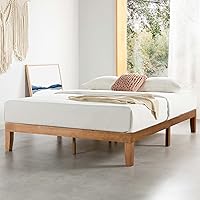
If you're choosing a platform bed, check best mattresses for platform beds with slats. For extra cushioning on a mattress you already own, consider whether a topper addresses the issue before replacing the bed.
What should you check before buying a mattress online?
Before ordering, read the trial, return, warranty and delivery terms in full. These details determine what you can do if the feel or fit doesn't work at home.
Check the trial length, return process, any pickup or donation rules and whether fees apply. Read the warranty coverage and exclusions, and confirm whether you must use a specific frame or foundation.
For a boxed mattress, check how it will arrive and how long it needs to expand before use. Measure doorways, stairs and turns, and make sure you have a safe plan for moving the package.
Don't rely on a short comfort description alone. Compare the exact size, materials, firmness, support needs and care instructions for each option.
When is a good time to buy a mattress?
A good time to buy is when you've compared options and found a mattress that meets your needs at a price you can afford. Holiday promotions may change, so compare the final terms and the mattress itself rather than buying only because of a sale.
Check whether the promotion changes the trial, delivery or return terms. Our guide to the best time to buy a mattress on sale covers timing and deal checks.
How can a mattress topper help if your bed feels wrong?
A topper can change the surface feel of a mattress, but it cannot replace worn support or correct a size mismatch. Consider one when the mattress is sound and you want more cushioning or a different surface feel.
A mattress pad or topper may add softness and a fitted layer over the mattress. Check the dimensions and pocket depth to make sure it fits the mattress securely.
If the bed still sags or lacks support, a topper is unlikely to solve the underlying issue. Compare replacement mattresses instead, and check frame support before deciding the mattress is the cause.
Explore mattresses by topic
- Best Twin XL Mattresses for College Dorms
- How to Buy a Queen Mattress
- What Size Is a Twin XL Mattress in Inches?
- What Are King Mattress Dimensions?
- What Are Queen Mattress Dimensions?
- Queen Mattress vs Full: Which Size Should You Choose?
- Best Memory Foam Mattresses
- Best Nectar Mattresses
- DreamCloud Premier Memory Foam Mattress Review
- Best Mattresses That Come in a Box
- Are Helix Mattresses Good?
- Best Leesa Mattresses
- Best Zinus Mattresses in a Box
- Is Lucid a Good Mattress Brand?
- Best Organic Mattresses for Side Sleepers
- Best Memory Foam Mattresses for Heavy People
- Best Mattresses for Scoliosis
- Best Mattresses for Herniated Discs and Sciatica
- Best Mattresses for Arthritis
- Best Firm Mattresses That Can Be Flipped
- How to Choose a Mattress That Cools and Heats
- Best Mattresses for Adjustable Bed Frames
- Best Memory Foam Mattress and Frame Sets
- Best Mattresses for the Money
- How Thick Should a Mattress Be?
- Best Folding Mattresses for Adults
- How Thick Should a Daybed Mattress Be?
- RV Mattress Sizes: Which Size Fits Your Bed?
- Best Mattresses for Camping
- Best Mattresses for Murphy Beds
- Best Mattresses for Elderly Women
- Best Mattresses for Kids
- Best Crib Mattresses for Babies
- Best Mattresses for Couples with Different Sleep Preferences
- How to Care for a Mattress
How do you narrow your shortlist to one mattress?
Choose the option that meets your non-negotiables first, then compare comfort and terms. A useful shortlist should make clear why each mattress fits your size, sleep needs and budget.
Use this final checklist:
- Does the size fit the room, frame and delivery route?
- Do the materials and firmness suit your preferred feel?
- Does the support base match your frame?
- Have you checked motion, temperature and other personal needs?
- Are the trial, returns, warranty and setup terms acceptable?
- Can you afford it without relying on a temporary promotion?
The Zinus is one example to compare if you want a medium-firm queen memory foam mattress. Its product details include a knitted cover, zoned pressure relief and compatibility with platform beds, box springs and adjustable bases.
Pick the mattress that fits your body, room and frame, with terms you understand. If you're still comparing single-bed sizes, start with our best twin mattress for adults and best twin XL mattress for adults guides.
Frequently asked questions
How do I mattress shop?
Start with the size that fits your room and the people sharing the bed, then compare mattress materials and firmness against your usual sleep position. Check the support requirements, trial and return terms, delivery route, setup needs and warranty before deciding.
Give yourself time to compare a short list.
What mattress firmness is best for most people?
There is no firmness that suits every sleeper. Medium firm is a common starting point, but your preferred feel, sleep position, body shape and comfort needs matter.
Compare how a mattress cushions pressure points while keeping you supported, and check the return terms in case the feel does not work at home.
Which mattress type should I choose?
Choose memory foam if you want contouring and motion absorption, innerspring if you prefer a coil-based feel, or hybrid if you want foam and coils together. Materials alone do not determine comfort, so also compare firmness, layer design, breathability, support and the brand's terms.
How do I choose a mattress size?
Choose the largest size that fits your room, frame and delivery route while leaving space to move around the bed. Account for everyone sharing it, their height and preferred sleeping space.
Measure the mattress dimensions and compare them with your frame before ordering.
Should I buy a mattress online or in a store?
Choose the option that gives you enough information and a workable return process. A store lets you compare feel briefly, while online shopping may offer more choices and delivery options.
In either case, read the trial, return, warranty and setup terms before paying.