Do Platform Beds Need a Box Spring? The Answer
On this page (6 sections)
Do platform beds need a box spring? No, most platform beds do not need a box spring. They are designed to provide sturdy support for your mattress on their own. Using a box spring with a platform bed can actually damage your mattress and may void its warranty.
Platform beds offer excellent mattress support directly. Their slatted or solid base eliminates the need for extra foundation. Many people wonder if adding a box spring will make their bed feel better, but we found it often leads to issues like sagging.
- Platform beds offer built-in mattress support.
- Box springs are usually not needed and can cause problems.
- They can lead to mattress sagging and void warranties.
- Check your bed’s instructions for specific guidance.
Let’s walk through exactly why this is the case and what you should consider for your bed setup.
Understanding Platform Beds and Box Springs
So, you’ve got a new platform bed or are thinking about getting one. A common question pops up: do you need a box spring? The simple answer is usually no. Platform beds are designed to be a complete foundation on their own. They’ve replaced the need for a separate box spring in most cases.
What Exactly is a Platform Bed?
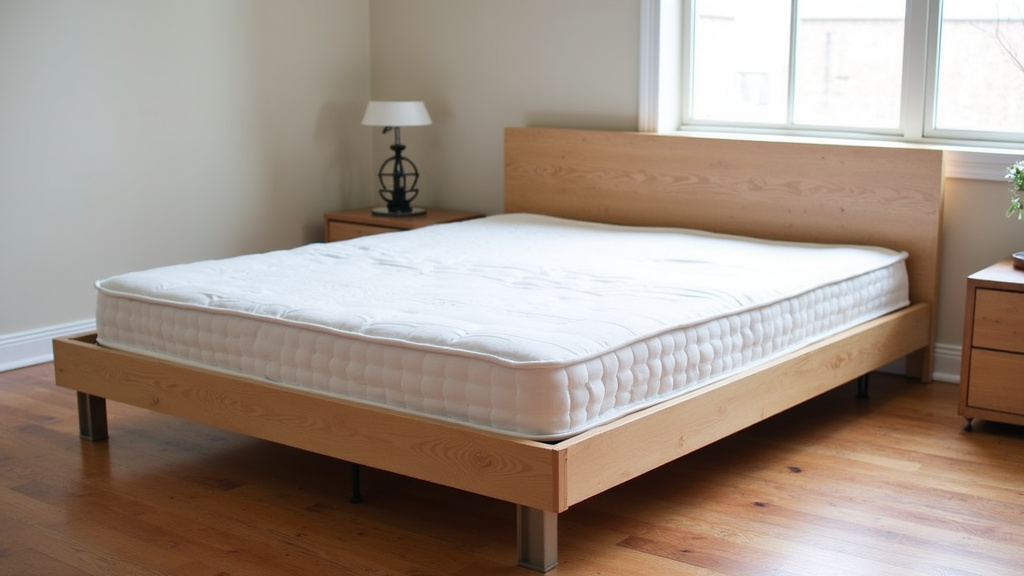
Think of a platform bed as a bed frame with built-in support. This support can come in a few forms. You might see a solid, flat surface. More often, you’ll find a system of slats. These slats are spaced to give your mattress the right kind of backing. The whole point is to offer a firm and stable base for your mattress without any extra layers.
What is a Box Spring For?
A traditional box spring has a wooden frame covered with fabric. Inside, there are springs or metal coils. Its original job was to work with older innerspring mattresses. These mattresses needed that springy layer underneath. It helped absorb shock and give the mattress the bounce it needed.
Why Platform Beds Don’t Typically Need Them
The design of a platform bed makes a box spring unnecessary. The sturdy base of a platform bed offers the support that older mattresses relied on a box spring for. Many modern mattresses, especially memory foam or hybrid types, actually need a solid or closely slatted surface. They are not built to be supported by the coils of a box spring.
The Risk of Adding a Box Spring to a Platform Bed
Putting a box spring on a platform bed can cause a few problems. First, it raises your mattress much higher than intended. This can make the bed feel wobbly. More importantly, the springs in the box spring can interfere with how your mattress is designed to function. We’ve found this can lead to uneven wear and tear on your mattress.
Mattress Warranty Concerns
Many mattress manufacturers have specific requirements for how their mattresses should be supported. Using a box spring when your platform bed doesn’t need one might violate these terms. This could lead to your mattress warranty being voided. It’s always wise to check the manufacturer’s guidelines.
When a Box Spring Might Still Be an Option (But Probably Not Recommended)
While it’s rare, there are a couple of fringe cases where someone might consider a box spring with a platform bed. However, these are exceptions, and we generally advise against it.
Very Old Mattress Types
If you happen to have a very old-style innerspring mattress, it might have been designed with a box spring in mind. Even then, a platform bed’s solid base often provides adequate support. You would need to research your specific mattress type. Most contemporary mattresses do not fall into this category.
Personal Preference for Height and Feel
Some people like their bed to be extremely high. A box spring will add about 7-9 inches to the height of your platform bed. They might also prefer the slight give a box spring can add. However, this added height can sometimes make the bed less stable. You might also find that the mattress feels less responsive.
The Downsides of Extra Height and Feel
The higher profile can make getting in and out of bed a bit harder for some. It can also make the bed look less streamlined. The added “bounce” from a box spring isn’t always a good thing. It can disrupt the contouring feel of a memory foam mattress. We found that this extra layer often interferes with pressure relief.
The Benefits of a Platform Bed Without a Box Spring
Choosing to go without a box spring with your platform bed offers several advantages. It’s the way these beds are designed to work, and it often leads to a better sleep experience.
Optimal Mattress Support
Platform beds provide a consistent and even surface for your mattress. Whether it’s solid or slatted, this type of support prevents sagging. It ensures your mattress can do its job properly, offering comfort and spinal alignment. Many sleep experts recommend this type of foundation.
Enhanced Mattress Longevity
By supporting your mattress correctly, a platform bed helps it last longer. Without the uneven pressure from a box spring, your mattress is less likely to develop dips or wear out prematurely. This means you get more years of good sleep from your investment.
Better Airflow and Cooling
Many platform beds have slatted bases. These slats allow air to circulate freely underneath your mattress. This is especially important for mattresses that tend to retain heat, like some memory foam models. Good airflow helps prevent overheating and keeps your mattress fresh.
A Cleaner, More Modern Look
Platform beds have a sleek, low-profile design. They create a clean and modern aesthetic in your bedroom. Adding a bulky box spring often detracts from this look. It can make the bed appear less sophisticated and more cluttered.
How to Ensure Your Platform Bed is Set Up Correctly
Getting your platform bed ready for sleep is straightforward. It’s mostly about understanding what your specific bed and mattress need.
Check Your Platform Bed’s Specifications
Most platform beds are designed for direct mattress placement. Look at the details of your bed frame. Are the slats close together? Is there a solid base? These features indicate it’s ready for a mattress alone. Some might include instructions on what type of foundation, if any, is needed. We found that checking the manufacturer’s details is the best first step.
Understand Your Mattress Type
Memory foam, latex, and most hybrid mattresses are designed for solid or closely slatted bases. They don’t need or want the give of a box spring. Innerspring mattresses might be the only exception, but even then, a platform base is often sufficient. A good rule of thumb is that if your mattress came compressed in a box, it’s likely designed for a platform bed.
Consider a Bunkie Board if Needed
If your platform bed has very wide slat spacing, or if your mattress manufacturer strongly recommends a firmer base, you might consider a bunkie board. A bunkie board is a thin, solid piece of material or closely spaced slats. It sits between your mattress and the platform bed base. It’s a slim alternative to a bulky box spring. It adds a bit more support without changing the bed’s height or feel drastically.
A Simple Setup Checklist
Ready to set up your platform bed? Here’s a quick rundown:
- Confirm your platform bed has a solid or slatted base.
- Read your mattress warranty for support requirements.
- Place your mattress directly on the platform base.
- Ensure there are no gaps or excessive space between slats.
- If needed, add a thin bunkie board for extra support.
- Enjoy your perfectly supported bed!
Conclusion
You’ve learned that most platform beds are designed to work perfectly without a box spring. Their built-in support system means adding a box spring is usually unnecessary and can even cause problems like mattress sagging or voiding your warranty. Sticking to your platform bed’s design offers optimal support for your mattress, helping it last longer and keeping your sleep space cool. Always check your bed frame and mattress manufacturer’s guidelines for the best setup. Your mattress will thank you for it, providing years of comfortable sleep.
Frequently Asked Questions
Can I put any mattress on a platform bed?
Yes, you can put most mattresses on a platform bed. Memory foam, latex, and hybrid mattresses work very well. Even traditional innerspring mattresses are often compatible, as the platform provides solid support.
What if my platform bed has wide gaps between the slats?
If your platform bed has wide gaps between the slats, your mattress might sag over time. In this case, you can add a thin bunkie board or plywood to create a more solid surface. This provides the extra support your mattress needs.
Will a platform bed feel too low without a box spring?
Platform beds typically have a lower profile than traditional bed frames with box springs. This can create a sleek, modern look. If you prefer a higher bed, you can choose a platform bed with a taller frame or use a thicker mattress.
How do I know if my mattress warranty will be voided?
Check your mattress warranty documentation. It will usually specify the type of foundation required for support. If it states no box springs are allowed with certain bed frames, or if you’re unsure, contact the manufacturer directly.
What’s the difference between a box spring and a bunkie board?
A box spring contains metal coils for bounce and is usually taller. A bunkie board is a thin, solid panel or a set of closely spaced slats. It’s designed to add uniform support to a mattress, especially on platform beds with wide slat spacing, without adding significant height.


