Do All Beds Require a Box Spring? The Short Answer
On this page (9 sections)
- Does Your Bed Actually Need a Box Spring? Let’s Find Out.
- What Exactly Is a Box Spring For?
- Why Are Box Springs Less Common Now?
- Different Mattress Types and Their Foundation Needs
- The Role of Your Bed Frame
- When in Doubt, Check Your Warranty and Manufacturer’s Guide
- Key Takeaways for Your Bed Foundation
- Conclusion
- Frequently Asked Questions
No, not all beds require a box spring. Many modern mattresses, like those made from memory foam or latex, are designed to work best without one. In fact, using a box spring with certain mattresses can actually damage them.
So, you might be wondering, what exactly is a box spring for? Historically, they provided support and helped mattresses last longer. But today, mattress technology has changed. Your bed’s foundation depends on the type of mattress you own and the frame it sits on.
- Not every bed needs a box spring.
- Memory foam and latex beds often don’t use them.
- Using the wrong foundation can harm your mattress.
- Check your mattress warranty for specific needs.
Let’s get right to it and figure out if your bed needs that old-school box spring or if it’s time for a modern foundation.
Does Your Bed Actually Need a Box Spring? Let’s Find Out.
The short answer is: no, not every bed requires a box spring. You might be surprised to learn that for some mattresses, a box spring can actually cause more harm than good. We’ve been conditioned to think a box spring is a standard part of any bed setup. But modern mattress technology has changed the game. Today, what you need depends on your mattress type and your bed frame.
What Exactly Is a Box Spring For?
Think of a box spring as the original mattress foundation. It was invented way back when mattresses were made differently. They were often stuffed with cotton or wool. These materials compressed easily and lost their shape. A box spring had a wooden frame with metal coils. These coils absorbed impact and helped distribute weight evenly. This kept the mattress from sagging and extended its life.
It also lifted the mattress off the floor. This allowed for better airflow. This was important before air conditioning was common. It helped prevent the mattress from getting too warm and stuffy. So, historically, a box spring served two main purposes: providing essential support and improving comfort.
Why Are Box Springs Less Common Now?
The biggest reason box springs aren’t always needed is because mattress materials have changed. Think about memory foam, latex, and advanced innerspring systems. These materials are designed differently. They often have built-in support systems. They don’t need the extra cushioning or specific type of support a traditional box spring provides. In many cases, adding a box spring can disrupt the intended feel and support of these newer mattresses.
We found that many of these modern mattresses are designed to work best with a solid, flat surface. This surface prevents the mattress from sinking. It ensures the materials can perform as intended. This is why many mattress brands now recommend platform beds, slatted foundations, or even just a solid base. This is why many mattress brands now recommend platform beds, slatted foundations, or even just a solid base.
Different Mattress Types and Their Foundation Needs
Your mattress type is the biggest clue to whether you need a box spring. Let’s break it down:
Innerspring Mattresses
These are the mattresses most people associate with box springs. Traditional innerspring mattresses have a coil support system. They often benefit from the added shock absorption and support a box spring offers. However, even with innerspring mattresses, there’s a nuance.
When Innerspring Mattresses Might Need a Box Spring
If your innerspring mattress is older, or if the manufacturer specifically recommends it, a box spring can be a good choice. It helps evenly distribute weight and prevent premature sagging. It also provides that classic bouncy feel many prefer. Always check the manufacturer’s instructions.
When Innerspring Mattresses Might NOT Need a Box Spring
Many newer innerspring mattresses are designed with stronger coils and better support layers. They might work perfectly well on a slatted foundation or a platform bed. The slats should be close enough together (typically no more than 3 inches apart) to provide adequate support.
Memory Foam, Latex, and Hybrid Mattresses
These mattresses are quite different from traditional innerspring models. They rely on foam layers or a combination of foam and coils. The goal here is contouring support and pressure relief. A box spring can actually be detrimental to these mattresses.
Why Foam and Hybrid Mattresses Don’t Need Box Springs
Foam mattresses need a firm, solid surface underneath them. This surface prevents the foam from sinking into gaps. Gaps in a traditional box spring can cause the foam to break down faster. It can also lead to uneven support and discomfort. Manufacturers of these mattresses strongly advise against using a box spring.
Instead, they typically recommend platform beds, Instead, they typically recommend platform beds, slatted foundations with closely spaced slats, or adjustable bases.slatted foundations with closely spaced slats, or adjustable bases. These foundations provide the necessary support without compromising the mattress’s integrity. We found that using the right foundation can significantly extend the lifespan of your foam or hybrid mattress.
Specialty Mattresses
Some mattresses, like airbeds or waterbeds, have very specific foundation requirements. These are usually clearly stated by the manufacturer and are not compatible with standard box springs.

The Role of Your Bed Frame
The type of bed frame you have is another critical factor. Some frames are designed to work with a box spring, while others are not.
Frames Designed for Box Springs
These are often traditional metal or wooden bed frames. They typically have a rail system that requires a box spring to hold the mattress up. Without a box spring, the mattress might sit too low or be unstable.
Platform Beds and Bed Bases
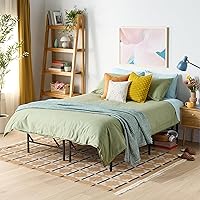
Platform beds are designed to be a complete support system on their own. They usually have a solid or closely slatted surface. You simply place your mattress directly on the platform. Box springs are generally not needed and can even raise the mattress too high for the headboard.
Other modern bed bases, like adjustable bed frames or storage bed frames, also have integrated support. They are built to house the mattress directly. Using a box spring with these can interfere with their function or void warranties.
When in Doubt, Check Your Warranty and Manufacturer’s Guide
This is perhaps the most important advice we can give you. Manufacturers know their mattresses best. They design them with specific support systems in mind. Your mattress warranty is a legal contract that outlines the terms of coverage. It often specifies the type of foundation required for the warranty to remain valid.
Using an incompatible foundation, like a box spring with a foam mattress, can void your warranty. This means if something goes wrong with your mattress, the manufacturer won’t cover it. We recommend always reading the care and warranty information that comes with your new mattress. If you can’t find it, a quick search on the manufacturer’s website should provide the details.
Key Takeaways for Your Bed Foundation
To sum it all up, here’s a quick checklist to help you decide:
- Read your mattress warranty. It’s your best guide.
- Check the manufacturer’s recommendation. They know best.
- Consider your mattress type. Foam and latex usually don’t need one.
- Look at your bed frame. Some frames require a box spring, others don’t.
- When in doubt, opt for a solid or closely slatted base. This is safest for most modern mattresses.
Conclusion
So, you’ve learned that not every bed needs a box spring anymore. Modern mattresses often work best with different foundations. Your mattress type and bed frame are the key factors. Memory foam and latex beds, for example, usually don’t use box springs. Traditional innerspring beds might, but it depends. Always check your mattress warranty and manufacturer’s guide. This prevents damage and keeps your warranty valid. Choosing the right foundation means a more comfortable and longer-lasting sleep. Your next step is to confirm what your specific mattress needs.
Frequently Asked Questions
Can I just put my new mattress on the floor?
While tempting, we generally don’t recommend placing most mattresses directly on the floor. It can restrict airflow, leading to moisture buildup and potential mold. Many mattresses also require some form of support to maintain their shape and warranty. A solid base or platform bed is usually a better choice.
Will using a box spring with my memory foam mattress void the warranty?
Yes, using a box spring with most memory foam, latex, or hybrid mattresses will likely void your warranty. These mattresses need a firm, flat surface. A box spring’s coils can create uneven support. This can damage the foam layers and is usually explicitly prohibited by manufacturers.
How do I know if my innerspring mattress needs a box spring?
For innerspring mattresses, check the manufacturer’s instructions or warranty. If it has a standard coil system and is older, a box spring might be beneficial for added support. Newer innerspring models might be designed for slatted foundations. If the slats are close together, a box spring may not be necessary.
What’s the difference between a box spring and a platform bed?
A box spring is a frame with coils designed to add height and some shock absorption. A platform bed is a complete bed frame with a solid or closely slatted surface. It provides all the necessary support for the mattress directly. Platform beds eliminate the need for a separate box spring.
My bed frame has slats. Do I still need a box spring?
It depends on the slats. If the slats are wide apart (more than 3 inches), you might need a box spring or a different foundation for adequate support. If the slats are close together, they likely provide enough support on their own, especially for foam or hybrid mattresses. Always refer to your mattress manufacturer’s guidelines.