Do You Need a Box Spring if You Have Slats?
On this page (8 sections)
- Understanding Your Bed Frame’s Support System
- The Role of Slats in Mattress Support
- What Exactly Does a Box Spring Do?
- When Slats Are NOT Enough (and a Box Spring Might Be Needed)
- The Potential Downsides of Using a Box Spring with Slats
- Making the Right Choice for Your Mattress
- Conclusion
- Frequently Asked Questions
No, you generally do not need a box spring if your bed frame has sturdy slats. Your slats provide the necessary support for your mattress. A box spring is designed to work with older bed frames that lack this slat system. Adding a box spring when you already have slats can actually damage your mattress over time.
Many modern bed frames come equipped with a slatted base. These slats are intended to be the primary support structure. They ensure even weight distribution and proper ventilation for your mattress. Using a box spring with slats can void your mattress warranty and lead to sagging.
- You usually don’t need a box spring with slats.
- Slats offer sufficient mattress support.
- A box spring might harm your mattress if used with slats.
- Check your mattress warranty.
Let’s figure out if your slats are enough, or if you might still need that extra layer.
Understanding Your Bed Frame’s Support System
So, you’ve got a new mattress and a bed frame that looks pretty sturdy. You might be wondering if you still need that old box spring. The short answer is: probably not, if your frame has slats. Your bed frame’s design is key here. It’s built to provide the support your mattress needs. We’ll break down how slats work and why they often replace the need for a box spring.
Think of your mattress like a delicate cake. It needs a flat, firm surface to rest on. Too much give, or gaps where there shouldn’t be, can cause problems. A good bed frame supports the mattress evenly. This helps it keep its shape and deliver the comfort you paid for. Many modern frames are designed with this very purpose in mind.
The Role of Slats in Mattress Support
Slats are those horizontal pieces of wood or metal that span the width of your bed frame. They sit directly under your mattress. Their main job is to distribute your weight evenly across the mattress. This is super important for mattress longevity and comfort.
When slats are spaced correctly and are strong enough, they offer excellent support. They prevent sagging. They also allow for air circulation. This keeps your mattress fresh and can help regulate your sleeping temperature.
Are Your Slats Up to the Task?
Not all slats are created equal, though. For them to do their job effectively, a few things matter. The material of the slats is one factor. Wood slats are common. They should be solid and not warped or cracked. Metal slats are also used and are often very durable.
The spacing between the slats is also critical. Many mattress manufacturers recommend slat spacing of no more than 2.5 to 3 inches apart. If the gaps are too wide, your mattress can start to sink down between them. This can lead to premature wear and sagging. We found that wider gaps can actually void some mattress warranties.
Different Types of Slat Systems
You’ll find a few variations of slat systems. Some frames have fixed slats that are attached directly to the frame. Others have slats that sit in channels or rest on ledges. Some premium frames even have sprung slats. These are often made of a flexible wood, like birch, and are curved upwards. They offer a bit more give and can enhance the comfort of your mattress.
Sprung slats are fantastic. They act a little like a shock absorber. They conform to your body and mattress movements. If your frame has sprung slats, you are almost certainly good to go without a box spring. They provide a responsive and supportive base.
What Exactly Does a Box Spring Do?
A box spring is essentially a wooden frame covered in fabric, with metal coils or springs inside. It used to be the standard base for mattresses, especially older innerspring models.
Its primary purpose was to provide a sturdy, slightly yielding surface for the mattress. It also helped to lift the mattress higher off the floor. This was important for older mattresses that didn’t have robust edge support or internal structures.
The Evolution of Mattress Support
Mattresses have changed a lot over the years. Modern mattresses, especially foam and hybrid types, are designed differently. They often have built-in support systems. They don’t need the same kind of “give” that older innerspring mattresses did.
In fact, putting a foam mattresses and box springs on a traditional box spring can be detrimental. The flexible nature of a box spring can cause the foam to sag unevenly. This defeats the purpose of the mattress’s design. Many mattress brands now explicitly advise against using their mattresses on box springs.
When Slats Are NOT Enough (and a Box Spring Might Be Needed)
While slats are usually sufficient, there are a few scenarios where you might still consider a box spring or a different type of foundation.
Inadequate Slat Support
We’ve touched on this, but it bears repeating. If your slats are too far apart (more than 3 inches) or are weak and bending significantly, they aren’t providing proper support. In this case, you’d need to fix or replace the slats, or use a different foundation.
A bunkie boards with slats is often a good solution here. It’s a thin piece of plywood or particleboard that sits on top of the slats. It creates a solid, even surface for your mattress. It’s a much better option than a box spring if your slats are the issue.
Specific Mattress Requirements
Always check your mattress’s warranty and manufacturer recommendations. Some mattresses, especially certain types of innerspring or hybrid models, might still specify the use of a box spring or a particular type of foundation. This is often to ensure the mattress performs as intended and its warranty remains valid.
For instance, a mattress designed for a traditional feel might recommend a box spring. However, we found that most manufacturers of foam, latex, and modern hybrid mattresses prefer a solid or slatted platform base. They want to ensure even weight distribution and prevent premature sagging.
Your Bed Frame Isn’t Designed for Slats
Some older or decorative bed frames might not have a built-in slat system. They might have a metal frame that just sits in the middle, designed to hold a box spring. If your frame is like this, you’ll likely need a box spring or a platform that fits within the frame to support your mattress.
This is where you have to be observant. Does your frame have a channel or a ledge where slats are meant to rest? If not, it was probably designed with a box spring in mind. Using just the bare frame without a proper base for the mattress could lead to damage.
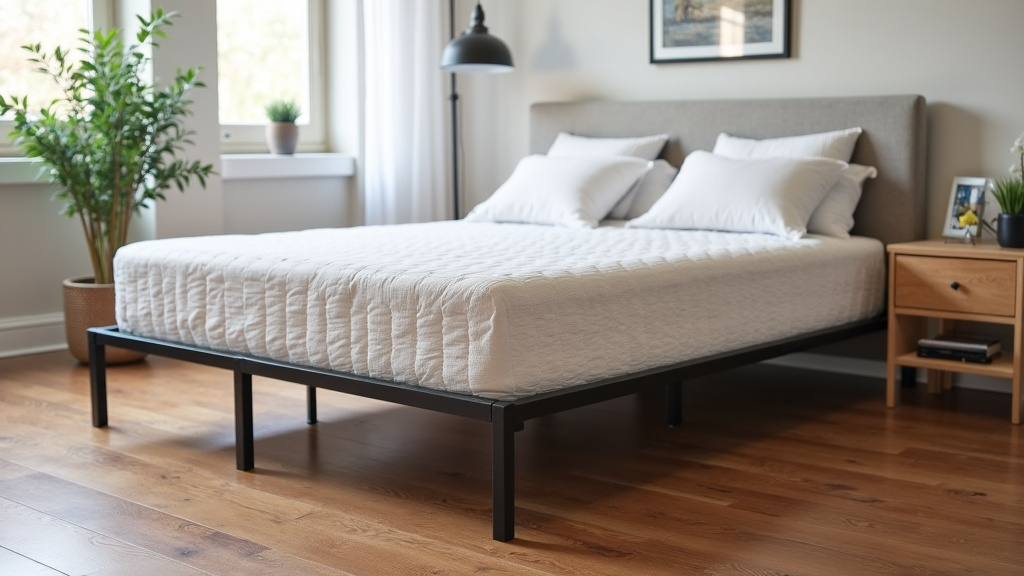
The Potential Downsides of Using a Box Spring with Slats
So, what happens if you put a box spring on top of a bed frame that already has sturdy slats? It’s generally not a good idea. Let’s look at why.
Mattress Damage and Sagging
Adding a box spring creates a system with too much “give.” Your mattress is designed to be supported by a firm, flat surface. The combination of slats, a box spring, and then the mattress means your mattress is sitting on a surface that can flex and move excessively. This can lead to uneven pressure points.
Over time, this can cause your mattress to sag prematurely in the middle. It might also lose its shape and support. Many experts warn that this double layer of support can actually shorten your mattress’s lifespan. It’s like putting a soft pillow on top of another soft pillow – you end up sinking.
Voiding Your Warranty
This is a big one. Most mattress warranties specify the type of foundation or base required for proper support. If you use your mattress on a foundation that isn’t approved – like a box spring when you have slats – you risk voiding the warranty.
If your mattress develops a defect that would normally be covered, the manufacturer can deny your claim. They can point to the improper foundation as the cause. Always check your warranty document carefully. It’s your best guide.
Height Issues and Aesthetics
Box springs add significant height to your mattress. If you’re putting a box spring on a frame that already has slats, your bed will be quite high. This can be inconvenient for getting in and out of bed. It can also look a bit awkward, depending on your aesthetic preferences.
A very high bed might not fit the style you’re going for. Plus, the extra effort needed to climb into bed could become tiresome. For many people, a lower profile bed created by just using slats is more practical and visually appealing.
Making the Right Choice for Your Mattress
Deciding whether you need a box spring with slats comes down to a few key factors. It’s about ensuring your mattress gets the right kind of support. This keeps it comfortable and durable for years to come.
The most important step is to assess your current setup. Look at your bed frame and its slats. Are they sturdy? Are they spaced appropriately? Then, consult your mattress warranty. This is the ultimate authority on what kind of base is acceptable.
If your slats are good and your warranty allows it, you’re likely in the clear. You won’t need a box spring. You can enjoy the support your frame was designed to provide. Sometimes, simpler is better. Your mattress will thank you for it!
Here’s a quick checklist to help you decide:
- Do your bed frame slats look strong and undamaged?
- Are the gaps between your slats 3 inches or less?
- Does your mattress warranty specify a solid or slatted base?
- Is your mattress primarily foam, latex, or a modern hybrid?
- Does the manufacturer advise against using a box spring?
Conclusion
You’ve learned that sturdy bed frame slats usually mean you can skip the box spring. Your slats provide the necessary support. Adding a box spring on top of slats can actually harm your mattress. It can lead to premature sagging and potentially void your warranty. Always check your mattress warranty and your slat system’s condition. If your slats are strong and well-spaced, you’re likely all set. Trust your frame’s design for optimal comfort and longevity.
Frequently Asked Questions
Can I put a box spring on top of my bed frame’s slats?
Generally, no, you should avoid putting a box spring on top of sturdy slats. This creates too much give, which can damage your mattress over time. It’s often better to use just the slats or a different foundation if needed.
What if my slats are more than 3 inches apart?
If the gaps between your slats are wider than 3 inches, they may not offer adequate support. In this case, you might need to add more slats or use a Bunkie board for a solid surface. Check your mattress warranty for specific spacing requirements.
Do foam or hybrid mattresses need a box spring with slats?
Most modern foam, latex, and hybrid mattresses do not need a box spring when you have supportive slats. These mattresses are designed for solid or slatted bases. Many manufacturers advise against box springs for these types of beds.
How do I know if my slats are strong enough?
Visually inspect your slats. They should be made of solid wood or sturdy metal. Look for any signs of cracking, warping, or excessive bending. If they feel weak or are sagging significantly, they might not be providing enough support.
Will using a box spring with slats really void my mattress warranty?
It’s possible. Many mattress warranties specify the type of foundation required. Using a box spring on a frame with slats might be considered an improper setup. Always review your warranty details to be sure.


