Can You Put a Box Spring on a Platform Bed?
On this page (8 sections)
- Putting a Box Spring on a Platform Bed: What You Need to Know
- Why Platform Beds Don’t Typically Need a Box Spring
- Potential Problems When Using a Box Spring with a Platform Bed
- When Might a Box Spring Potentially Work? (With Caution!)
- Checking Your Specific Bed and Mattress Requirements
- Quick Checklist: Is a Box Spring Right for Your Platform Bed?
- Conclusion
- Frequently Asked Questions
Yes, you can often put a box spring on a platform bed, but it’s usually not recommended and can even void your mattress warranty. Most platform beds are designed to provide adequate support on their own, negating the need for a box spring. Adding one can also alter the height of your bed and potentially damage your mattress over time. Understand why platform beds are designed to provide adequate support on their own.
Thinking about adding a box spring to your platform bed? It’s a common question, and the answer isn’t a simple yes or no. Many people wonder if it’s necessary or if it might actually cause problems. We’ve looked into what experts and manufacturers suggest about this setup.
- Platform beds usually don’t need a box spring.
- A box spring might actually hurt your mattress.
- It can make your bed too high.
- Check your bed and mattress manuals first.
Let’s break down why this is the case and what options you have when setting up your bed.
Putting a Box Spring on a Platform Bed: What You Need to Know
So, you’ve got a sleek platform bed and a mattress that needs a home. You might be wondering if you can just toss your old box spring onto the platform frame. It’s a common thought! Many people do this to save money or to get a bit more height. However, the general consensus from mattress manufacturers and bed experts is that it’s usually not the best idea. Let’s find out why.
Why Platform Beds Don’t Typically Need a Box Spring
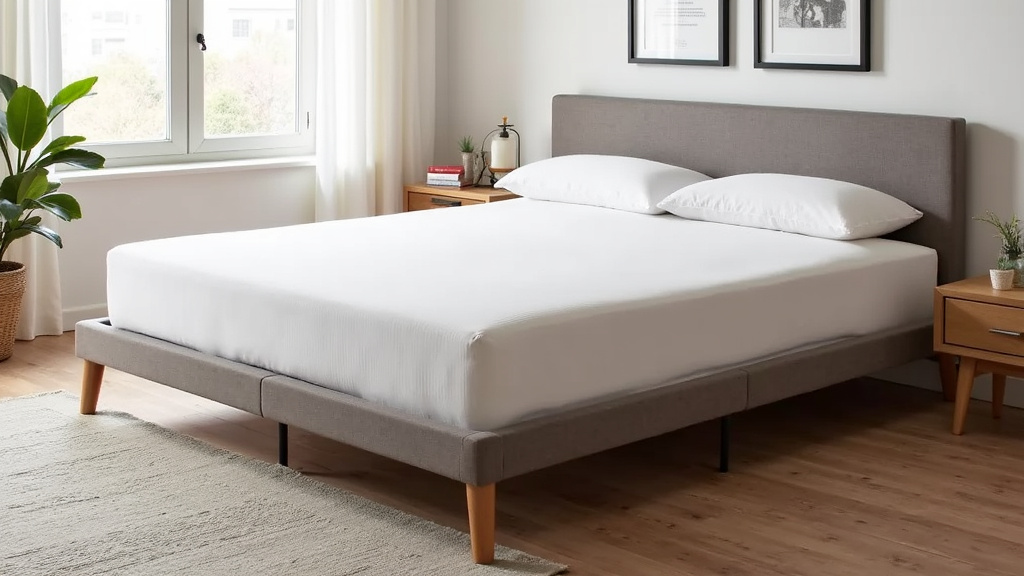
Platform beds are designed to be a complete sleep system. They have built-in support. This support is usually in the form of sturdy slats or a solid base. The goal is to hold your mattress evenly. This prevents sagging and ensures it performs as intended. A box spring’s job is to give a mattress support and allow air to circulate. Platform beds do this without the extra layer. Our guide explains how a platform bed works and its built-in support.
The Purpose of a Box Spring
Historically, box springs were essential. Mattresses used to be made with inner-coil systems. These coils needed a supportive base to prevent them from breaking down. The box spring provided this foundation. It also absorbed shock, which helped extend the mattress’s life. Think of it like shock absorbers on a car; they protect the main parts.
How Platform Beds Differ
Modern mattresses, especially memory foam and hybrid types, have different construction. They often have their own internal support systems. Platform beds are engineered to work directly with these mattresses. Their slats are typically closer together than those found on older bed frames. This closer spacing offers consistent support. It mimics the function of a box spring. It keeps the mattress from sinking between gaps.
Potential Problems When Using a Box Spring with a Platform Bed
Adding a box spring to a platform bed can cause a few headaches. It’s not just about aesthetics; it can actually affect how your mattress performs and lasts. We’ve found that this setup can lead to some unexpected issues.
Compromising Mattress Support
The biggest concern is how the box spring interacts with the platform. Platform beds have a specific support structure. Adding a box spring can create a two-tiered system. This can lead to uneven pressure distribution on your mattress. The mattress might flex in ways it wasn’t designed to. This can create premature wear and tear. It’s like putting a soft rug on a firm floor; it doesn’t always sit right.
Voiding Your Mattress Warranty
This is a big one. Many mattress warranties have specific requirements for the foundation. They often state that the mattress must be placed on a “proper foundation.” Using a box spring on a platform bed might violate these terms. If you have an issue with your mattress, the manufacturer could deny your claim. Always check the warranty details. It’s better to be safe than sorry.
Altering Bed Height and Stability
Platform beds are often designed to be low-profile. Adding a box spring can significantly increase the overall height of your bed. This can change the look of your bedroom. It might also make it harder to get in and out of bed. For some, this isn’t an issue. For others, especially those with mobility concerns, it can be a drawback. The added height can also make the bed feel less stable.
Trapping Moisture and Heat
Box springs, especially older ones, can sometimes trap moisture. Platform beds with solid bases can also have this issue if airflow is poor. When you combine the two, you might reduce the overall ventilation. This can lead to a warmer sleeping surface. It might also contribute to mold or mildew growth over time. Good airflow is important for a healthy sleep environment. Many sleep experts suggest ensuring good air circulation (Cleveland Clinic).
When Might a Box Spring Potentially Work? (With Caution!)
While generally not recommended, there are a few edge cases. These situations are rare and still come with risks. We found that even in these cases, alternatives are usually better.
Very Specific Platform Bed Designs
Some platform beds have a very minimalist frame. They might have just a few cross slats, far apart. In such a scenario, a box spring might seem like it could help. However, even then, the mattress manufacturer’s guidelines are key. Most modern platforms have enough support. If your platform bed has widely spaced slats, it might be an older design or not a true platform bed.
Older Innerspring Mattresses
If you have a very old-style innerspring mattress, it might have originally been designed for a box spring. If your platform bed has an exceptionally large gap between slats, a box spring might offer some perceived benefit. Still, you risk voiding warranties and other issues. It’s a trade-off that many aren’t willing to make.
What to Do Instead: Recommended Foundations
If you need more support or height, there are better options. These are designed to work harmoniously with platform beds and modern mattresses.
Bunkie Boards
A bunkie board is a thin, solid piece of wood or particleboard. It’s often covered in fabric. It provides a flat, supportive surface. You place it directly on the platform bed’s slats. It adds a bit of height and ensures an even surface. They are much thinner than box springs. This means less impact on bed height.
Adjustable Bed Bases
If you want to elevate your head or feet, an adjustable base is a great choice. Many platform beds can accommodate these. They provide excellent support and added functionality. They are specifically designed for modern mattresses. Make sure your platform bed is compatible.
Plywood or Solid Panels (DIY Option)
Some people opt for a DIY solution. They cut a piece of sturdy plywood to fit the platform frame. You can cover it with fabric for a cleaner look. This provides a solid, even surface. Ensure the plywood is thick enough to be durable. It should not warp under weight.
A Sturdy Slatted Base
Most platform beds already have a good slatted base. If your slats are more than 3 inches apart, you might consider adding more slats. You can buy replacement slats or add supports. This ensures your mattress gets the even support it needs. This is a common recommendation from mattress companies.
| Foundation Type | Pros | Cons | Best For |
|---|---|---|---|
| Box Spring | Can add significant height. Might be familiar. | Often voids mattress warranty. Can cause uneven support. Reduces airflow. Can make bed too high. | Very few cases; generally not recommended. |
| Bunkie Board | Adds minimal height. Provides solid, even support. Affordable. Usually warranty-friendly. | Doesn’t add much height. Not as much shock absorption as a box spring. | Adding a bit more uniform support and slight height. |
| Adjustable Base | Offers customizable positions. Great for reading or watching TV. Excellent mattress support. | More expensive. Requires compatible mattress and platform bed. Can be heavy. | Those seeking comfort, medical needs, or tech features. |
| Plywood/Solid Panel | Provides very solid, even support. Can be custom-sized. Relatively inexpensive. | Can be heavy. Requires DIY skills. May trap moisture if not ventilated. | Those needing a firm, even base without much added height. |
Checking Your Specific Bed and Mattress Requirements
Before you make any decisions, the most important step is to check your manuals. Your platform bed frame should come with instructions. It will likely specify the type of foundation it needs. Your mattress also comes with a warranty card or booklet. This is where you’ll find the manufacturer’s guidelines.
Read Your Platform Bed Manual
Most platform bed manufacturers clearly state whether a box spring is needed or advised against. They want their product to perform well. They will tell you the best way to set it up. If it says “no box spring required,” take their word for it!
Consult Your Mattress Warranty
This is non-negotiable. Your mattress warranty is your protection. Look for sections on “foundation requirements” or “proper support.” If using a box spring on a platform bed is prohibited, you must avoid it. Ignoring this could cost you dearly if your mattress develops a defect.
When in Doubt, Contact the Manufacturer
If you’re still unsure after reading the manuals, don’t guess. Reach out to the customer service department for both your bed frame and your mattress. Ask them directly: “Can I use a box spring with this platform bed and this mattress?” They will give you the official answer. This direct communication can save you a lot of trouble down the line.
Quick Checklist: Is a Box Spring Right for Your Platform Bed?
Here’s a quick way to decide:
- Does your platform bed manual say “no box spring”?
- Does your mattress warranty prohibit box springs on platform frames?
- Is your mattress a memory foam, latex, or hybrid type?
- Do you want to avoid voiding your mattress warranty?
- Are you concerned about excessive bed height or stability?
- Do you want the best possible support for your mattress?
If you answered “yes” to most of these questions, then a box spring is likely not the right choice for your platform bed.
Conclusion
So, can you put a box spring on a platform bed? While it might seem like an easy solution, we’ve found it’s generally not the best choice for your sleep setup. Platform beds are designed for modern mattresses, offering the support they need without an extra layer. Adding a box spring risks uneven support, can void your mattress warranty, and might make your bed uncomfortably high. Before you add anything, always check your bed frame and mattress manuals. This will ensure you’re giving your mattress the proper foundation it needs to last.
Frequently Asked Questions
Will using a box spring on my platform bed really void my mattress warranty?
Yes, it’s very likely. Most mattress warranties require specific foundation types, and using a box spring on a platform bed often violates these terms. If you have a mattress issue, the manufacturer could deny your claim based on improper support.
What’s the main difference between a box spring and a platform bed’s support?
A box spring was designed for older innerspring mattresses to provide a flexible, supportive base. A platform bed offers a firm, even surface, usually with closely spaced slats, which is ideal for modern mattresses like foam or hybrid types.
How can I add a little height to my platform bed without using a box spring?
Consider a bunkie board, which is a thin, solid foundation that adds minimal height and provides a uniform surface. You could also look into furniture risers that fit under the platform bed legs, though ensure they are sturdy and compatible with your frame.
My platform bed has very widely spaced slats. Do I need something else?
If your platform bed has slats more than 3 inches apart, it might not provide adequate support for your mattress. In this case, you could add more slats, use a bunkie board, or even a solid piece of plywood cut to size to create a more even surface.
Can a box spring cause my mattress to sag faster on a platform bed?
Yes, it can. The combination can create an unstable sleeping surface. Your mattress might flex in ways it wasn’t designed for, leading to premature wear and sagging between the box spring and the platform frame’s supports.