Platform Bed vs Box Spring: Which Supports Better
On this page (9 sections)
When deciding between a platform bed and a box spring, the platform bed generally offers better support for your mattress. This is because platform beds provide a solid, uniform surface that prevents mattress sagging and extends its lifespan. A box spring, while traditional, can sometimes create uneven support over time.
Choosing the right foundation impacts both your sleep quality and how long your mattress lasts. While a box spring has been a long-time favorite, many find that the direct, firm support of a platform bed is a superior choice for modern mattresses. It’s all about finding what works best for your specific needs.
- Platform beds offer more consistent support.
- They help prevent mattress sagging and damage.
- Box springs can lead to uneven wear over time.
- The best choice depends on your mattress and sleep style.
Let’s dive into the details of each and help you decide which bed frame will give you the best sleep.
Platform Beds vs. Box Springs: Understanding Bed Support
When you’re choosing a bed frame, you’re really picking how your mattress will be supported. This decision can make a big difference in how well you sleep and how long your mattress lasts. You’ve probably seen both platform beds and box springs. But which one is really better for supporting your mattress? We’ve looked into it, and generally, a platform bed offers more consistent and reliable support.
Let’s break down what each one does and why it matters for your sleep. Understanding the differences will help you make the best choice for your bedroom.
What is a Platform Bed?
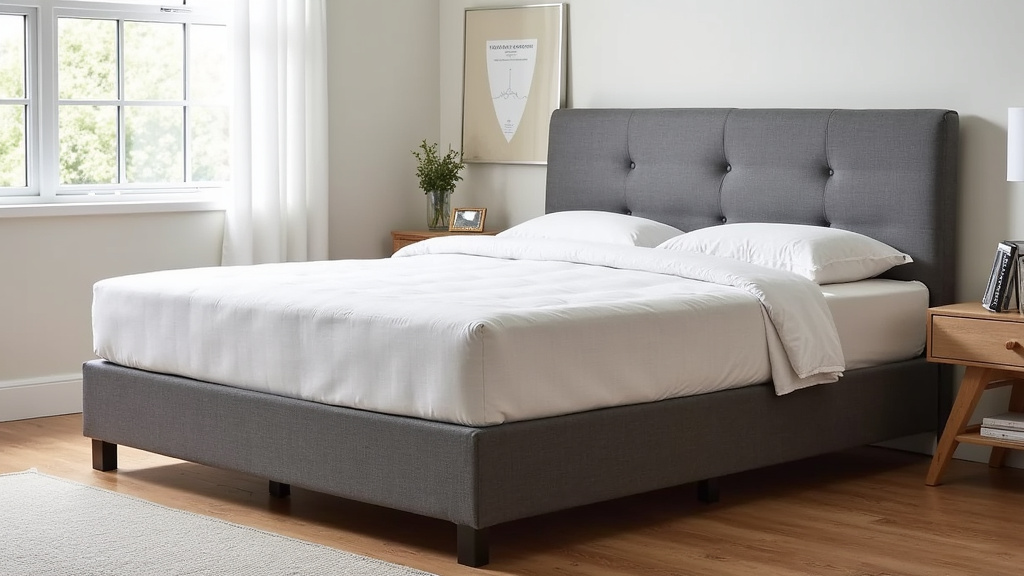
types of platform beds is a bed frame that has a solid, flat surface. This surface is usually made of wood or metal. It’s designed to directly support your mattress. Think of it like a sturdy, even table for your mattress. Many platform beds have a built-in foundation, so you don’t need anything else.
The key feature is its solid surface. This means there are no large gaps. It gives your mattress full contact underneath. This design is becoming more popular for many reasons. It’s a straightforward way to support your bed.
How Platform Beds Provide Support
The main way a platform bed supports your mattress is through its uniform surface. This means the weight of you and your mattress is spread out evenly. There are no weak spots or areas where the mattress can sink in too much. This even distribution helps prevent the mattress from developing lumps or sagging over time.
Many platform beds also feature bed slats and box springs or a solid panel. This offers even more direct support. Some have a center support leg as well, adding extra stability. This level of support is especially important for newer types of mattresses, like memory foam or hybrid models. Many platform beds also feature closely spaced slats or a solid panel.
Benefits of Platform Bed Support
One of the biggest advantages is how a platform bed extends the life of your mattress. By providing consistent support, it stops the mattress from getting damaged by uneven pressure. You’ll find your mattress feels newer for longer.
Another plus is that platform beds often don’t require a box spring. This can save you money and simplify your bed setup. Plus, many people find they sleep better on a firmer, more stable surface. It can feel more grounded and secure.
What is a Box Spring?
A box spring is a type of mattress foundation. It’s typically a wooden frame covered with fabric. Inside, it has springs or metal grid supports. Its main job is to sit under your mattress and give it a little bounce and some support. Box springs are often used with traditional innerspring mattresses.
For a long time, box springs were the standard. They were designed to work with older mattress styles. They offer a bit of give and elevation.
How Box Springs Provide Support
A box spring offers support through its internal spring system. These springs are designed to absorb some of the pressure from your body. They also allow for airflow under the mattress. This helps keep the mattress cooler.
The springs create a surface with some flexibility. This can feel comfortable with certain types of mattresses. It gives a slight “give” when you lie down. However, over time, these springs can weaken or break. This can lead to uneven support.
Potential Downsides of Box Spring Support
One common issue with box springs is that the springs can wear out over time. As they weaken, they can create dips or uneven spots. This directly affects your mattress, causing it to sag in those areas. This can lead to back pain and discomfort.
Also, many modern mattresses, especially those made of foam or latex, are not designed to be used with a box spring. They require a firm, solid base. Using them on a box spring can actually damage the mattress. It can void the mattress warranty too. You might find the mattress sinks too much between the springs.
Platform Bed vs. Box Spring: A Direct Comparison
When you put them side-by-side, the main difference comes down to the type of support they offer. A platform bed gives a firm, solid base. A box spring provides a more flexible, springy base.
Here’s a quick look at how they stack up:
| Feature | Platform Bed | Box Spring |
|---|---|---|
| Support Surface | Solid or closely spaced slats | Springs or metal grid |
| Firmness | Firm and even | Flexible, can become uneven |
| Mattress Compatibility | Works with most mattresses (foam, hybrid, innerspring) | Best for traditional innerspring mattresses |
| Mattress Longevity | Generally extends mattress life | Can shorten mattress life if springs wear out |
| Need for Box Spring | No box spring needed | Designed to be used with a mattress directly |
| Potential for Sagging | Low risk of mattress sagging | Higher risk of mattress sagging over time |
Support for Different Mattress Types
The type of mattress you have is a big factor. Memory foam and latex mattresses need a solid foundation. They benefit greatly from the uniform support of a platform bed. This prevents them from sinking too deep, which can trap heat and affect their contouring ability.
Traditional innerspring mattresses can work with both. However, even with innersprings, a platform bed can provide a more stable and consistent sleep surface. If your current box spring is old and sagging, a platform bed is likely a better upgrade. Many mattress manufacturers recommend a solid or slatted base, not a box spring, for their beds.
Durability and Longevity
Research and user experiences often show that platform beds are more durable over the long term. Their solid construction means fewer parts can break or wear out. A good platform bed can last for many years, providing consistent support throughout.
Box springs, with their internal springs, are more prone to wear and tear. The springs can lose their tension or even snap. This compromises the support. Replacing a box spring can become a recurring expense. A platform bed is often a one-time purchase that offers lasting support.
When to Choose a Platform Bed
You should lean towards a platform bed if you want a modern, sleek look for your bedroom. They often have a lower profile than beds with box springs and headboards. This can make a room feel more spacious. Plus, many platform beds have built-in storage, like drawers underneath.
If you’ve invested in a new mattress, especially a foam or hybrid type, a platform bed is likely the recommended foundation. It ensures you get the full benefits of your mattress’s design. It also helps maintain the manufacturer’s warranty.
When a Box Spring Might Still Work
A box spring might still be a consideration if you have a very traditional innerspring mattress. Some older mattress models were specifically designed to work with the bounce and give of a box spring. If your mattress is several years old and still in good condition, and it came with a box spring, you might continue using it.
However, we found that even with traditional mattresses, checking the manufacturer’s recommendations is wise. Many are moving away from requiring box springs. If your box spring is showing signs of age – like creaking, sagging, or visible damage – it’s time for a change. A platform bed would likely be a better, more supportive replacement.
Making Your Final Decision: A Quick Checklist
Choosing between a platform bed and a box spring doesn’t have to be complicated. Here’s a quick way to think about your needs:
- Consider your mattress type: Foam/latex needs solid support.
- Check your mattress warranty: What foundation does it require?
- Think about desired firmness: Do you like a firm or slightly softer feel?
- Assess your current foundation: Is your box spring old and sagging?
- Budget and style: Platform beds can be a one-time purchase and offer storage.
- Long-term support: Do you want consistent support for years?
Conclusion
When you’re choosing between a platform bed and a box spring, it’s clear that platform beds generally offer superior support for your mattress. Their solid, uniform surface prevents premature sagging and can help your mattress last longer. We found that modern mattresses, especially foam and hybrid types, perform best on a firm, even base.
While a box spring served a purpose for older mattress styles, its springs can wear out, leading to unevenness. For better, more consistent support and to protect your mattress investment, a platform bed is often the smarter choice. Now that you know the differences, you can confidently pick the foundation that best suits your sleep needs.
Frequently Asked Questions
Do I really need a box spring with a platform bed?
No, you do not need a box spring with a platform bed. Platform beds are designed to provide all the necessary support on their own. Adding a box spring can actually interfere with the even support a platform bed offers and may even damage your mattress.
Can I use my old box spring with a new mattress?
It’s generally not recommended to use an old box spring with a new mattress, especially if it’s a foam or hybrid type. Old box springs often have worn-out springs that can cause sagging, which will negatively affect your new mattress and may void its warranty.
Will a platform bed make my mattress feel harder?
A platform bed provides a firmer, more consistent base than a box spring. This means you might feel the supportive qualities of your mattress more directly. If you prefer a softer feel, consider a mattress with a plush top layer, as the platform bed itself doesn’t add softness.
Are platform beds better for back pain?
Many people find that the consistent, firm support of a platform bed helps alleviate back pain. By preventing mattress sagging and offering an even surface, it can promote better spinal alignment as you sleep. However, individual results can vary based on mattress type and personal comfort preferences.
What if my mattress warranty requires a box spring?
Always check your specific mattress warranty details. While many modern warranties recommend or require a solid or slatted foundation like a platform bed, some older or specialized mattresses might still list a box spring. If your warranty specifically states a box spring is required, you must use one to keep the warranty valid.


