Box Spring Alternative Ideas That Actually Work
On this page (9 sections)
Yes, you can absolutely ditch the box spring and still get great mattress support! Many alternatives to a box spring offer a sturdy foundation that keeps your mattress comfortable and your sleep area well-ventilated. You just need to choose the right one for your mattress type and bedroom style. We’ve researched many options and found several that really work.
Finding the right support for your mattress is key for comfort and longevity. A box spring isn’t always necessary, especially with modern mattresses like memory foam or hybrids. Other foundations can offer excellent stability and even improve airflow, potentially extending your mattress’s life. Let’s look at some practical box spring alternatives that you might love.
TL;DR:
- You don’t always need a box spring.
- Platform beds are a popular choice.
- Metal bed frames offer sturdy support.
- Wooden slats can work for many mattresses.
- A bunkie board provides a flat surface.
Ready to find the perfect base for your bed? Let’s walk through some of the best box spring alternatives that actually work to give your mattress the support it needs.
Finding the Right Support Without a Box Spring
You’re looking to get rid of that old box spring, and you’re wondering what else can support your mattress. It’s a great question! Many people find that a box spring isn’t actually necessary. We’ve researched various options, and many sturdy, stylish foundations can do the job just as well, if not better. They can help your mattress last longer and even improve your bedroom’s look.
Let’s walk through some of the most popular and effective ways to support your mattress. You’ll find plenty of good choices that don’t involve a traditional box spring. We’ll focus on what actually works for comfort and durability.
Platform Beds: The All-In-One Solution
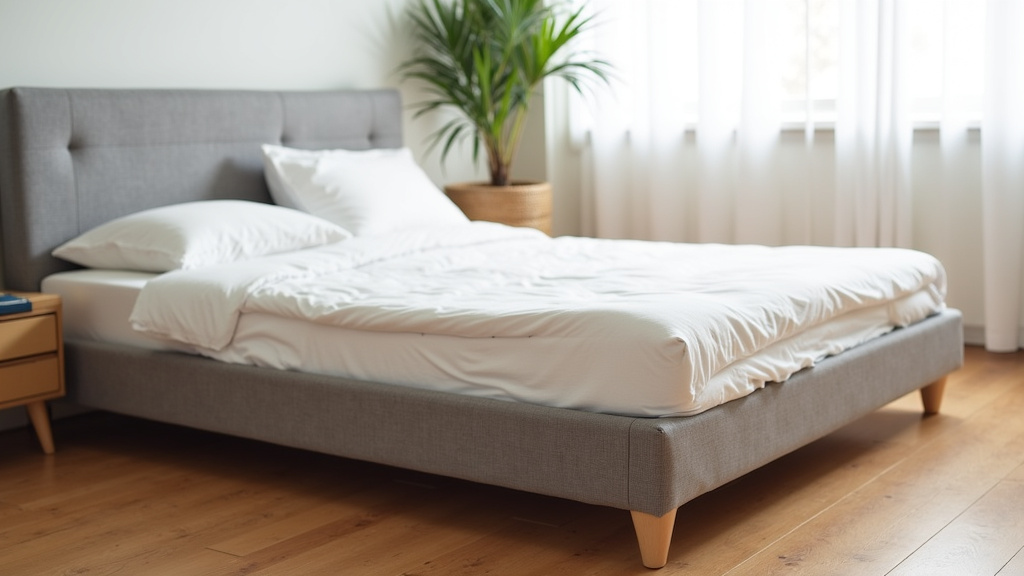
Platform beds are a fantastic starting point when you’re avoiding a box spring. They are designed to support a mattress directly. This means the bed frame itself provides the necessary foundation. Many platform beds come with built-in slats or a solid surface. This offers excellent support and airflow for your mattress.
You can find platform beds in a huge range of styles. From minimalist modern designs to more traditional looks, there’s likely one that fits your decor. They often have a lower profile than traditional bed frames with box springs. This can make your bedroom feel more spacious and modern.
What Makes Platform Beds Great?
The primary benefit is their all-in-one design. You don’t need to buy a separate foundation. The frame does all the work. This can save you money and hassle. We found that the integrated support system is usually very robust. This is especially true for memory foam and hybrid mattresses, which often require a firm, flat surface.
Many platform beds also offer storage. Look for models with drawers underneath or a design that leaves space for under-bed bins. This is a big plus if you’re short on closet space. It keeps your room tidy and organized.
Things to Consider with Platform Beds
One thing to keep in mind is the height of the mattress. Since the platform bed is typically lower, your mattress might sit lower than you’re used to. If you prefer a higher bed, you might need a thicker mattress or a platform bed with a taller headboard. Also, ensure the slats are spaced appropriately for your mattress type. Some mattresses need slats closer together for optimal support.
Check the weight capacity of the platform bed. Most are designed for typical use, but if you have a very heavy mattress or expect more weight, it’s wise to verify. We found that durable materials like solid wood or metal frames usually offer the best longevity.
Metal Bed Frames: Simple and Sturdy
Metal bed frames are a popular and often very affordable alternative. They are known for their durability and strength. These frames typically consist of a metal structure that supports your mattress directly. Many come with a series of metal or wooden slats.
These frames are incredibly easy to assemble. You can often put one together in under an hour with just a few tools. This makes them a great choice if you move often or don’t want a complicated setup. We found that a good quality metal frame can last for many years.
Types of Metal Frames
You’ll find several kinds of metal frames. Some are basic, just a strong frame with supporting legs and slats. Others are more elaborate, resembling traditional bed frames with headboards and footboards. Some even have a sleek, modern look without any decorative elements.
A key feature is the support system. Many metal frames include sturdy slats designed to keep your mattress from sagging. Look for frames with at least 5-7 inches between slats for most mattresses. Some may even have a center support beam for extra stability. We’ve seen these work very well for all mattress types.
When a Metal Frame Might Be Your Best Bet
If you want a no-fuss, reliable foundation, a metal frame is a solid choice. They are excellent for memory foam and latex mattresses because they provide a firm, even surface. They also promote good airflow, which helps keep your mattress cool. This can be a significant advantage, especially for warmer sleepers.
They are also a good option if you’re on a budget. You can find high-quality metal frames at very reasonable prices. Just be sure to read reviews and choose a frame from a reputable brand. We found that thicker gauge metal generally indicates a more durable frame.
Wooden Slats and Foundations
Wooden slats are a common component of many bed frames, but you can also buy them as a standalone foundation. They offer a flexible yet supportive base. The natural give in wood can add a bit of comfort. These are often used in platform beds or as a replacement for a box spring on a traditional frame.
You can purchase wooden slat foundations that are designed to sit inside your existing bed frame. This is a great way to update an older bed or ensure you have proper support without buying a whole new bed. We found that the spacing of the slats is important here, too.
Spacing Matters for Slats
The distance between wooden slats can vary. For most mattresses, especially foam or hybrid types, a gap of no more than 2.75 inches is recommended (Sleep Foundation). This prevents the mattress from sinking into the gaps, which can cause premature wear and reduce support. Some slat foundations have adjustable spacing for this reason.
If you have a traditional metal bed frame, you might be able to place a wooden slat foundation directly onto the frame’s support system. This gives you the benefit of a sturdy base without needing the box spring. We found this to be a simple and effective upgrade.
Bunkie Boards: A Low-Profile Option
A bunkie board is essentially a thin, flat piece of material, often wood or particleboard, covered in fabric. Think of it as a minimalist mattress base. It’s designed to provide a solid, flat surface for your mattress.
Bunkie boards are particularly useful for bunk beds, trundle beds, or any situation where you need a low profile. They are also excellent for reinforcing weaker bed frames or adding extra support to a mattress that might be feeling a bit soft. We’ve seen them used successfully on both metal and wooden frames.
When to Choose a Bunkie Board
If your bed frame already has a good support system but you want to ensure a perfectly flat surface, a bunkie board is a good addition. It’s also a great choice if you have a memory foam mattress that requires a very firm base. The solid surface prevents sagging and ensures even weight distribution.
Bunkie boards are lightweight and easy to handle. They are also relatively inexpensive. We found that they can really extend the life of your mattress by preventing the dips and sags that can occur on less supportive bases. Just make sure the size is exact for your mattress.
DIY Foundations and Support Ideas
Sometimes, you might have a perfectly good bed frame that just needs a little something extra. Or perhaps you enjoy a DIY project. There are ways to create your own supportive foundation. One common method is to use sturdy plywood.
Using Plywood for Support
If you have a slatted bed frame, you can cut a piece of plywood to fit snugly inside the frame. Make sure it covers the slats entirely. This creates a solid, flat surface. Sand down any rough edges to prevent damage to your mattress. We found that using ¼-inch or ½-inch plywood is usually sufficient for most mattresses.
You can also use plywood to create a full foundation if your bed frame is just a headboard and footboard. This involves building a simple box frame from wood and covering it with plywood. This is a bit more involved but can be a very rewarding project. We’ve seen this done successfully with solid wood planks and quality plywood.
What About Old Pallets?
While pallet beds have been trendy, using raw, untreated wood pallets directly under a mattress is generally not recommended for health and hygiene reasons. Pallets can harbor bacteria, dust mites, and splinters. They also tend to have uneven surfaces and large gaps. If you do want to use pallets, they would need significant modification, sanding, and sealing, and should ideally have a barrier layer like plywood on top.
For most people, sticking to commercially available foundations or well-constructed DIY projects using clean, new materials is the safest bet. We found that investing in a proper foundation, even a simple one, is worth it for your sleep quality and mattress longevity.
Checklist for Your Mattress Foundation
Before you decide, think about these key points:
- What is your mattress type? (Foam, hybrid, innerspring)
- Does your mattress manufacturer recommend a specific type of support?
- What is your budget for a new foundation?
- How much space do you have, and do you need under-bed storage?
- What is your preferred bed height?
- Do you want a simple, easy-to-assemble option?
Considering these questions will help you narrow down the best box spring alternative for your needs. It’s about finding what works for you and your mattress.
Conclusion
You’ve seen that ditching the box spring is totally doable and often a great move for your mattress. From stylish platform beds and sturdy metal frames to simple wooden slats and low-profile bunkie boards, there are many effective alternatives. Each option offers reliable support to keep your mattress comfortable and well-ventilated. We’ve researched these solutions and found they genuinely work to improve your sleep setup. Your next step is to consider your mattress type and personal style to pick the perfect foundation. Make that choice, and you’ll be sleeping soundly on a base that’s right for you.
Frequently Asked Questions
Will my mattress warranty be voided if I don’t use a box spring?
This varies by manufacturer. Some mattress warranties specifically require a box spring or a certain type of foundation. We recommend checking your mattress warranty details before switching. Often, using a recommended alternative like a platform bed or a bunkie board will still be covered.
Can I just put my mattress directly on the floor?
While technically possible, we generally do not recommend placing your mattress directly on the floor. It doesn’t allow for proper ventilation, which can lead to moisture buildup and mold. It also offers minimal support, potentially causing your mattress to sag prematurely. Most mattress manufacturers will advise against this method.
How far apart should the slats be on a new foundation?
For most memory foam and hybrid mattresses, the gap between slats should be no more than 2.75 inches. Innerspring mattresses might tolerate slightly wider gaps, but closer is usually better. We found that checking your mattress manufacturer’s specific recommendation is the best approach for optimal support and to maintain your warranty.
Do I need a center support leg for my bed frame?
Yes, for most standard and queen-sized beds and larger, a center support leg or beam is highly recommended. This prevents the middle of the frame and your mattress from sagging over time. We’ve seen that even simple metal frames benefit greatly from this additional stability.
How can I raise the height of my bed if I choose a low-profile foundation?
If you opt for a low-profile foundation like a bunkie board or a platform bed and want more height, you have a few options. You can purchase bed risers that fit under the legs of your frame, or choose a thicker mattress. Some platform bed designs also offer taller headboards, which can give the illusion of a higher bed.


