What Is a Bed Foundation? Support Layers Explained
On this page (7 sections)
A bed foundation is the layer that rests between your mattress and the floor, providing essential support. It prevents your mattress from sagging and helps extend its lifespan by keeping it off the ground. Think of it as your mattress’s best friend!
When you buy a new mattress, the foundation is often sold separately. Understanding its role is key to getting a good night’s sleep. A proper foundation ensures your mattress performs as intended and provides the comfort and support you expect. We found that choosing the right one makes a big difference.
- A bed foundation supports your mattress.
- It prevents sagging and extends mattress life.
- Foundations are typically sold separately.
- The right foundation is important for comfort.
So, what exactly makes up a bed foundation and what are its different support layers? Let’s break down the components that keep your mattress in tip-top shape.
Understanding Your Bed Foundation’s Support Layers
The bed foundation is more than just a platform for your mattress. It’s a carefully constructed system of support layers. These layers work together to protect your mattress and give you a comfortable, supportive sleep. We found that understanding these components helps shoppers make better choices.
Many people wonder what’s actually underneath their mattress. It’s not just empty space! A good foundation provides a stable base. It prevents your mattress from sinking or developing premature dips. Think of it like the foundation of a house – essential for its overall structure and longevity.
The Essential Role of a Bed Foundation
A bed foundation plays a vital role in your sleep setup. Its primary job is to offer consistent, even support. This is especially important for modern mattresses like memory foam or hybrid designs. These mattresses often require a specific type of foundation to perform at their best.
Without adequate support, your mattress can sag prematurely. This can lead to discomfort and back pain. Many mattress manufacturers specify the type of foundation you should use. Using the wrong type can even void your mattress warranty. We found that checking these guidelines upfront saves a lot of hassle later.
Preventing Mattress Damage
Your mattress is a significant investment. Protecting it should be a priority. A foundation keeps your mattress elevated off the floor. This allows for better airflow around the mattress. Good airflow helps prevent the buildup of moisture and dust mites. It also helps keep your mattress from developing mildew.
The support layers within the foundation distribute your weight evenly. This prevents pressure points from forming on the mattress. It helps the mattress maintain its shape over time. Research shows that proper support is key to a mattress’s durability (Sleep Foundation Council).
Enhancing Comfort and Support
A supportive foundation directly impacts how comfortable your mattress feels. Even the most luxurious mattress can feel subpar on a poor foundation. The foundation absorbs some of the impact when you move. This can reduce motion transfer, meaning you’re less likely to feel your partner tossing and turning.
Different foundations offer varying degrees of firmness. Some foundations are designed to be slightly more flexible. Others are made to be very rigid. The ideal level of firmness depends on your mattress type and personal preference. We found that a medium-firm foundation is often a good starting point for many.
Key Support Layers in a Bed Foundation
Most bed foundations are constructed with several layers. These layers work in harmony to provide the necessary support. Let’s break down the common components you’ll find.
The Base Layer
The base layer is the foundation’s foundation, so to speak. It’s typically made of sturdy materials like wood or metal. This layer provides the primary structural integrity. It’s what keeps the entire unit stable and off the ground.
Frame Construction
The frame is often made of solid wood (like pine or spruce) or durable metal. Metal frames are common in platform beds and offer great strength. Wooden frames can also be very robust, especially when constructed with high-quality lumber. The way the frame is assembled is important. Strong joints and solid connections ensure it won’t wobble.
Legs or Support Feet
These are attached to the frame and hold the entire foundation up. The number and placement of legs are crucial. More legs generally mean better weight distribution and stability. For larger beds, like queen or king sizes, you might find a center support leg. This prevents the middle of the foundation from bowing.
The Support System Layer
This is where the mattress directly rests. It’s designed to provide a uniform surface. The goal is to prevent the mattress from sinking through any gaps.
Solid Top vs. Slats
Some foundations have a solid top. This is often a piece of plywood or a similar solid material. It creates a completely flat and firm surface. This type is excellent for memory foam mattresses that need a non-flexible base.
Other foundations use slats. These are parallel bars placed across the width of the foundation. Slats can be made of wood or metal. The distance between the slats is important. For most mattresses, slats should be no more than 3-4 inches apart. This ensures adequate support without creating too many gaps.
Some slatted foundations have a special design for certain mattresses. For example, some hybrid mattresses might do well with slightly wider slat spacing. Always check your mattress manufacturer’s recommendations. We found that a foundation with closely spaced slats is generally a safe bet for most mattress types.
Box Springs
A traditional box spring is another type of foundation. It consists of a wooden frame covered in fabric. Inside, it contains a grid of springs or metal coils. These coils are designed to absorb shock and provide some give. Box springs are often paired with innerspring mattresses.
While box springs offer a good bounce, they may not be ideal for all mattress types. Modern memory foam or latex mattresses often need a firmer, more solid base. A box spring’s springs can allow these mattresses to sag over time. Many newer bed frames are designed to be used without a separate box spring.
Optional Comfort Layers
Some higher-end foundations might include an additional comfort layer. This is usually a thin layer of foam or padding. It’s placed on top of the main support system.
Purpose of Comfort Layers
The primary purpose of this layer is to add a touch of cushioning. It can help reduce friction between the mattress and the support surface. It can also provide a slightly softer feel where the mattress meets the foundation. However, this layer is not the main support. It’s more about fine-tuning the feel.
We found that this layer is less common in minimalist platform beds or simple metal frames. It’s more often seen in upholstered bed frames or more traditional box springs.
Types of Foundations and Their Support
Different types of foundations offer varying levels of support and convenience.
Platform Beds
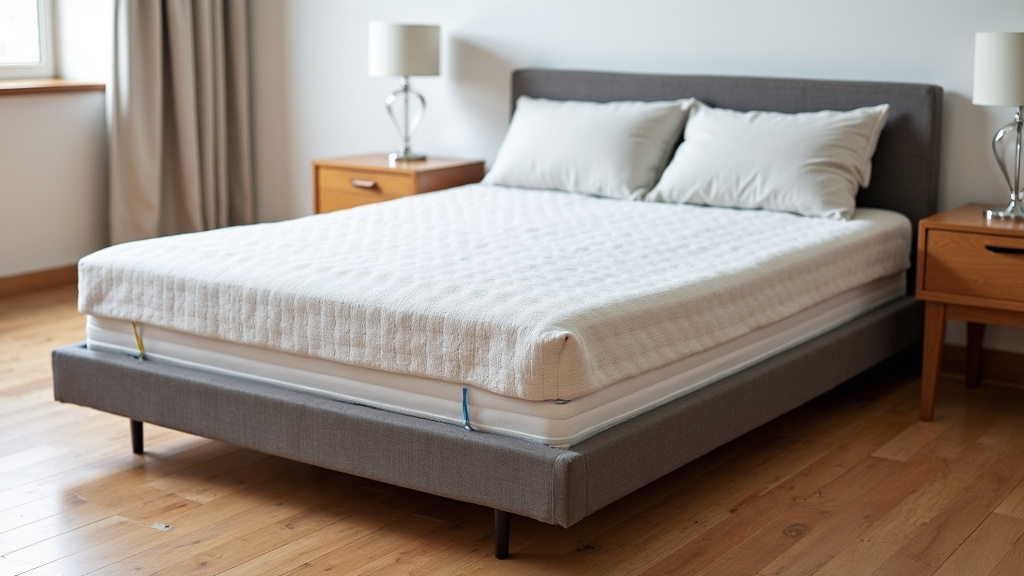
Platform beds have a built-in foundation. They often feature a sturdy frame with either solid panels or closely spaced slats. Many platform beds eliminate the need for a separate box spring. They offer a sleek, modern look and excellent mattress support. They are a popular choice for memory foam and hybrid mattresses.
Metal Frames
These are typically simple, sturdy frames made of steel or other metals. They can be basic bed frames that require a box spring or mattress support system. Some metal frames have integrated slats, functioning like a platform bed. They are often affordable and easy to assemble.
Wooden Bed Frames
Wooden frames offer a classic look and can be very durable. Like metal frames, they can be designed to hold a box spring or have built-in slats. The quality of the wood and construction plays a big role in their longevity and support capabilities. Many people prefer the natural aesthetic of wood. Wooden frames offer a classic look and can be very durable, providing a strong foundation for your mattress.
Adjustable Bases
These are motorized bases that allow you to elevate the head and foot of your mattress. They are fantastic for those who like to read or watch TV in bed. They also offer potential benefits for people with certain medical conditions, like snoring or acid reflux. Your mattress must be compatible with an adjustable base (check manufacturer specs). We found that many modern mattresses are designed to work with them.
Choosing the Right Foundation for Your Mattress
Selecting the appropriate foundation is crucial for optimal mattress performance and longevity. Consider these factors:
- Mattress Type: Memory foam and latex mattresses generally need a solid or slatted foundation with slats no more than 3-4 inches apart. Innerspring mattresses often pair well with box springs or slatted bases.
- Weight Capacity: Ensure the foundation can support the combined weight of the mattress and sleepers.
- Height: Consider how high you want your bed to be off the floor. Foundations come in various heights.
- Material: Choose between wood, metal, or upholstered options based on your aesthetic and durability needs.
- Manufacturer Recommendations: Always check your mattress warranty and manufacturer’s guidelines for recommended foundation types.
Your bed foundation is a critical component of your sleep system. It’s not just a piece of furniture; it’s an active participant in your comfort and the life of your mattress. By understanding the support layers, you can make an informed decision that leads to better sleep for years to come.
Conclusion
Your bed foundation is more than just a place to put your mattress. It’s a key support system. It protects your mattress and ensures you get the best comfort possible. Understanding its layers—from the sturdy frame to the support system—helps you make a smart choice. This will lead to better sleep and a longer-lasting mattress. We found that taking a moment to check compatibility with your mattress type is always worth it. Make sure your foundation works with your mattress, not against it, for years of restful nights.
Frequently Asked Questions
Do I really need a bed foundation?
Yes, you generally do need a bed foundation. It prevents your mattress from sagging and offers essential support. Without it, your mattress can wear out faster, and you might experience less comfort.
Can I just put my mattress directly on the floor?
While you can technically place a mattress on the floor, it’s not recommended. It prevents proper airflow, which can lead to moisture buildup and potential mold. It also offers uneven support, potentially damaging your mattress and impacting your sleep quality.
What’s the difference between a box spring and a platform bed?
A box spring has internal springs to add bounce and support, often used with innerspring mattresses. A platform bed usually has a solid or slatted base integrated into the frame, providing a firm surface ideal for memory foam and hybrid mattresses.
Are closely spaced slats better than wide spaced slats?
For most mattresses, especially memory foam and hybrids, closely spaced slats (about 3-4 inches apart) are better. They offer more consistent support and prevent the mattress from sinking into gaps. Some innerspring mattresses might allow for slightly wider spacing.
Can any mattress work on an adjustable base?
Not all mattresses are designed to work with adjustable bases. You need a flexible mattress that can bend without damage. Always check your mattress manufacturer’s specifications to ensure it’s compatible with an adjustable base before purchasing one.


