What Is a Slatted Bed Base? How Slats Support You
On this page (8 sections)
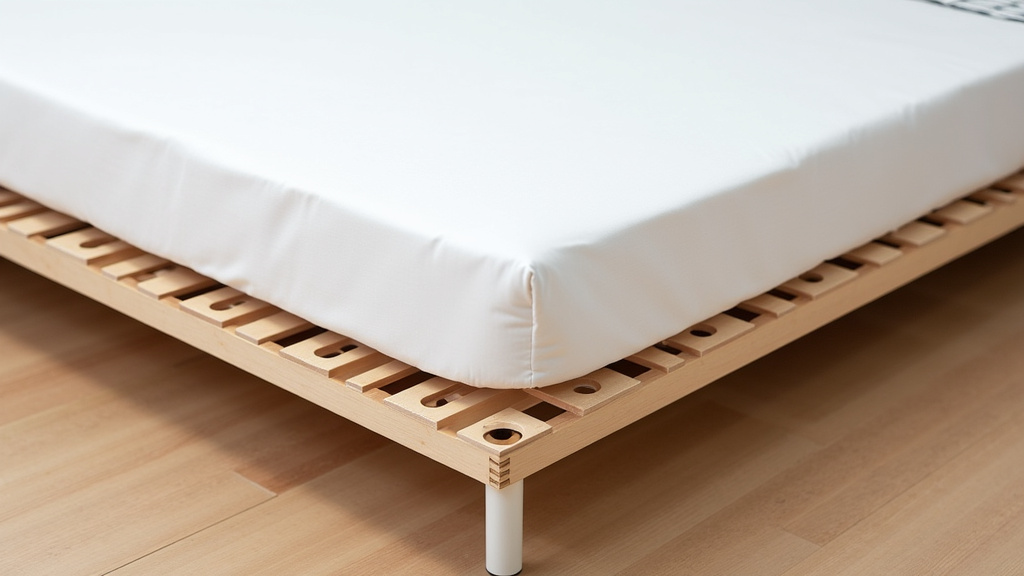
A slatted bed base is a foundation for your mattress made of evenly spaced wooden or metal slats. It acts as the primary support system for your mattress, allowing for airflow and distributing weight evenly. This simple design helps keep your mattress in good condition and ensures a comfortable night’s sleep.
Think of it as the unsung hero beneath your mattress. Without a proper base, your mattress can sag prematurely. A good slatted base provides essential breathability and prevents moisture buildup. This can even extend the lifespan of your mattress, saving you money in the long run. It’s a smart choice for many mattress types.
- A slatted bed base is a mattress support made of slats.
- It evenly distributes your weight and allows air to circulate.
- This helps keep your mattress fresh and prevents sagging.
- Slatted bases are compatible with most mattress types.
- They contribute to a more comfortable and supportive sleep.
Let’s take a closer look at how these simple slats work their magic to support you and your mattress.
How a Slatted Bed Base Supports Your Mattress and You
A slatted bed base is more than just a collection of wooden planks. It’s a cleverly designed foundation that works hard. It keeps your mattress from sagging. It also helps your mattress stay fresh. Let’s look at how these simple slats perform their essential job.
The Anatomy of a Slatted Base
At its core, a slatted base is made of several individual slats. These slats are typically made from wood, like pine or birch. They are usually about 2-4 inches wide. These slats are then spaced evenly apart. They are attached to a sturdy frame. This frame can be made of wood or metal.
Types of Slats
You’ll find different types of slats out there. Some are flat and lie directly across the frame. Others are slightly curved or bowed upwards. These bowed slats offer a bit more flexibility. They can provide a slightly softer feel. The spacing between slats also matters. Wider gaps allow for more airflow. Closer spacing offers firmer support.
How Slats Distribute Weight
Imagine standing on a bridge. A good bridge spreads your weight across its structure. A slatted base does something similar for your mattress. When you lie down, your weight presses onto the mattress. The mattress then pushes down onto the slats. The slats then transfer this weight to the bed frame. This process spreads your weight evenly across the base. This prevents any single spot from bearing too much load. This even distribution is key to preventing premature sagging.
The Role of Airflow
This is where slats really shine. The gaps between the slats allow air to circulate freely. Think of it like letting your mattress breathe. This is incredibly important. Mattresses, especially foam ones, can trap heat and moisture. This trapped moisture can lead to mold and mildew. It can also make your mattress feel damp and uncomfortable. Airflow from the slatted base helps wick away this moisture. It keeps the underside of your mattress dry. This helps maintain a fresher sleeping environment. Many mattress manufacturers recommend slatted bases for this very reason (Sleep Foundation).
Why Even Support Matters for Your Sleep
Your body needs proper support when you sleep. You spend about a third of your life in bed. Having a mattress that is properly supported makes a big difference. If your mattress sags in the middle, your spine won’t be aligned correctly. This can lead to back pain and general discomfort. A good slatted base provides a firm, even foundation. This helps your mattress maintain its shape. It ensures your body stays in a healthy, neutral position all night long.
Preventing Mattress Sagging
Mattress sagging happens when the internal support system weakens. This can be due to age, wear, or simply lack of proper foundation. A slatted base acts as an external support system. It prevents the mattress from collapsing under your weight. The slats offer a consistent surface. This means your mattress doesn’t have to do all the heavy lifting on its own. It extends the usable life of your mattress. This saves you money in the long run.
Maintaining Mattress Firmness
Did you know a mattress can feel softer over time? This often happens when the mattress loses its internal structure. A slatted base helps counteract this. By providing a firm and stable surface, it helps the mattress maintain its intended firmness. You get a more consistent feel night after night. This is especially important for mattresses designed to be firm.
Compatibility with Different Mattress Types
One of the best things about slatted bases is their versatility. They work well with a wide range of mattress types. This makes them a popular choice for most shoppers.
Innerspring Mattresses
Traditional innerspring mattresses have a coiled support system. Slatted bases complement these well. The slats provide a sturdy platform for the coils. They help distribute pressure evenly. However, very wide gaps might allow smaller coils to slip through. So, look for slats that are spaced reasonably close together.
Memory Foam Mattresses
Memory foam mattresses are known for contouring. They can also be prone to heat retention. Slatted bases are an excellent choice for them. The airflow from the slats helps keep memory foam cooler. The even support prevents the foam from developing dips or hollows too quickly. Many memory foam manufacturers advise against placing them on solid surfaces. This is because solid bases trap moisture. Slatted bases avoid this issue entirely.
Latex Mattresses
Latex mattresses are durable and breathable. They also benefit from slatted bases. The support system of a latex mattress is strong. Slatted bases provide the necessary airflow. This helps the natural cooling properties of latex. It ensures the mattress stays fresh and comfortable.
Hybrid Mattresses
Hybrid mattresses combine coils and foam layers. They offer the best of both worlds. Slatted bases are perfect for hybrids. They provide the solid foundation needed for the coil system. They also allow airflow for the foam comfort layers. The even support helps maintain the integrity of both components.
Choosing the Right Slatted Base
Not all slatted bases are created equal. The type of slats and their spacing can impact your sleep. Consider these factors when making your choice:
- Slat Material: Wood is common, but metal offers superior durability.
- Slat Width: Wider slats offer more support but less airflow.
- Slat Spacing: Closer spacing is generally better for foam and latex. Aim for gaps no wider than 2.75 inches. This is a common recommendation by mattress makers (ASTM International).
- Center Support: For larger beds (Queen, King, Cal King), ensure there is a center support leg. This prevents the frame from bowing.
Slatted Base Checklist for a Better Sleep
Are you ready to ensure your mattress is getting the support it deserves? Here’s a quick checklist:
- Confirm your mattress type suits a slatted base.
- Check the slat spacing for optimal breathability and support.
- Ensure the frame is sturdy and well-constructed.
- Verify that Queen-sized beds and larger have center support legs.
- Make sure the slats are firmly attached to the frame.
- Consider the overall height to ensure comfortable access to your bed.
By understanding how slatted bases work, you can make a more informed choice. A good slatted base is a simple yet powerful upgrade. It enhances your mattress’s performance. It also contributes to a more restful night’s sleep for you.
Conclusion
You’ve learned that a slatted bed base is a vital part of your sleep setup. It’s more than just a frame; a bed base is the support system that keeps your mattress performing its best. By evenly distributing your weight and allowing essential airflow, these slats help prevent sagging and moisture buildup. This means a more comfortable sleep for you and a longer lifespan for your mattress. Making an informed choice about your bed base is a simple step that can greatly improve your sleep quality. A divan bed is another base and mattress option to consider.
Ready to give your mattress the support it deserves? Consider upgrading to a quality slatted base for a better night’s rest.
Frequently Asked Questions
How do I know if my current bed base is a slatted one?
Look under your mattress. If you see a series of wooden or metal planks spaced apart, you likely have a slatted base. Solid platforms or older box springs will have a continuous surface or visible coils.
Will a slatted base make my mattress feel harder?
It can make your mattress feel firmer, but in a good way. A slatted base provides a stable foundation, helping your mattress maintain its intended firmness and support. It prevents excessive sinking, which can make a mattress feel softer over time.
Can I use a slatted base with any mattress?
Generally, yes. Slatted bases are compatible with most mattress types, including innerspring, memory foam, latex, and hybrid. However, always check your mattress manufacturer’s recommendations regarding base type and slat spacing.
What happens if the gaps between the slats are too wide?
If the gaps are too wide, especially for foam or latex mattresses, they might not get enough support. This can lead to sagging over time, and smaller coils in some innerspring models could potentially slip through.
Do I need a center support leg on my slatted base?
For larger bed sizes like Queen, King, and California King, a center support leg is highly recommended. It prevents the frame from bowing in the middle, ensuring even weight distribution and protecting your mattress and the frame itself.


