What Is a Bunkie Board Made Of? Materials Inside
On this page (9 sections)
- What Goes Into a Bunkie Board? Understanding the Materials
- The Core of the Matter: Wood and Engineered Woods
- When Metal Joins the Team: Added Durability
- What Holds It All Together? Fasteners and Adhesives
- Coverings and Finishes: The Outer Layer
- Checklist: What to Look For in Bunkie Board Materials
- A Quick Comparison of Common Materials
- Conclusion
- Frequently Asked Questions
A bunkie board is typically made of wood or engineered wood products like particleboard or plywood. Its primary purpose is to provide a solid, flat surface that supports your mattress, preventing sagging and extending its life. Think of it as a simple, sturdy foundation for your bed.
While wood is the most common material, some bunkie boards might incorporate metal frames for extra durability, especially for heavier mattresses or certain bed frame designs. The goal is always to create a strong, breathable base that works well with various mattress types.
- Bunkie boards are usually made from wood or engineered wood.
- They support your mattress and prevent sagging.
- Some may have metal components for added strength.
- The main goal is a sturdy and breathable foundation.
- They are a simple alternative to traditional box springs.
We’ve found that understanding what goes into a bunkie board can help you choose the right one. Below, we’ll break down the common materials in more detail.
What Goes Into a Bunkie Board? Understanding the Materials
You’re looking to understand the insides of a bunkie board. That’s smart! Knowing the materials helps you pick the best one for your needs. We’ve looked into this, and it’s simpler than you might think. Most bunkie boards are built with wood or wood-like products. They aim to be a strong, flat surface for your mattress. Let’s break down what you’ll usually find.
The Core of the Matter: Wood and Engineered Woods
Wood is the star player in most bunkie boards. It’s strong and readily available. This makes it a cost-effective choice for manufacturers. But not all wood is the same. You’ll see different types used.
Solid Wood Components
Some higher-end bunkie boards might use solid wood slats. Think of pine or poplar. These are often kiln-dried to remove moisture. This helps prevent warping or cracking over time. Solid wood offers great natural strength. It can handle a good amount of weight. You might find these in designs where the slats are spaced apart.
Plywood: A Layered Strongman
Plywood is a very common material. It’s made by gluing together thin layers of wood veneer. These layers are placed at right angles to each other. This cross-graining technique gives plywood excellent strength and stability. It’s less likely to split or crack than solid wood. Plywood sheets are often cut to form the solid top surface of a bunkie board. This creates a very uniform and supportive base.
Particleboard: The Budget-Friendly Option
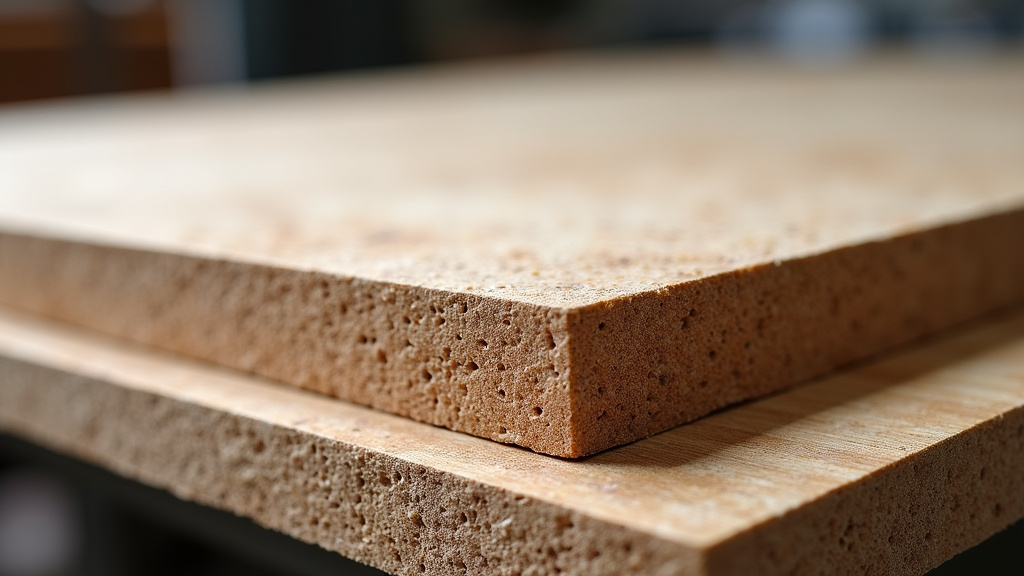
Particleboard is made from wood particles. These are glued together under heat and pressure. It’s often made from sawdust, wood chips, and shavings. Particleboard is very affordable. However, it’s not as strong or durable as plywood or solid wood. It can also be sensitive to moisture. You’ll often find particleboard used in more budget-friendly bunkie boards. It works well for lighter mattresses. For heavier mattresses, you might want to look for something else.
MDF (Medium-Density Fiberboard): Similar But Different
MDF is another engineered wood product. It’s made from wood fibers, wax, and resin. These are combined under high pressure. MDF is denser and smoother than particleboard. It can provide a smooth, consistent surface. Like particleboard, it’s not ideal for very damp environments. It’s also generally less strong than plywood. MDF is sometimes used for the surface of bunkie boards, especially in mass-produced models.
When Metal Joins the Team: Added Durability
While wood is the primary material, some bunkie boards get a boost from metal. This is especially true for designs that need extra strength. Metal can be used in a few ways.
Reinforcing Metal Frames
You might find bunkie boards with a metal frame around the edges. This frame adds structural integrity. It helps keep the wooden or engineered wood panels in place. It can also prevent the edges from sagging under weight. These metal frames are typically made of steel. Steel is known for its strength and durability.
Metal Support Structures
In some designs, metal might be used for internal supports. These could be bars or cross-bracing elements. They add extra strength to the overall structure. This is particularly useful for bunkie boards intended for heavier mattresses or higher weight capacities. Metal supports ensure the board doesn’t flex or sag over time.
What Holds It All Together? Fasteners and Adhesives
Besides the main board materials, you’ll also find fasteners and adhesives. These are important for keeping everything secure.
Screws and Nails
You’ll often find screws or nails used to join different wood pieces. They help create a solid, assembled unit. High-quality bunkie boards will use strong fasteners. They ensure the board can withstand regular use. The type and number of fasteners can affect the board’s overall sturdiness.
Wood Glue and Adhesives
Manufacturers also use wood glue. This is applied to edges and joints before fastening. Glue adds extra strength and rigidity to the structure. It helps prevent squeaks and shifts. Many experts say a good adhesive is key to a long-lasting furniture piece (Woodworking Network).
Coverings and Finishes: The Outer Layer
Some bunkie boards have a covering or finish on the top surface. This can add a bit of polish and protection.
Fabric Wraps
Many bunkie boards are wrapped in a layer of fabric. This is often a durable, breathable material like polyester or a cotton blend. The fabric serves a few purposes. It can prevent snagging on your mattress. It also gives a cleaner, more finished look. It can help keep dust and debris out of the wood. This fabric is usually stretched tightly over the board and secured underneath.
Protective Coatings
Occasionally, you might see a clear coat or sealant applied to the wood. This can offer some protection against moisture and minor spills. It also gives a smoother finish. However, most bunkie boards don’t have elaborate finishes. Their primary job is to be a strong foundation, not a decorative piece.
Checklist: What to Look For in Bunkie Board Materials
- Wood Type: Plywood or solid wood generally offers better durability than particleboard or MDF.
- Construction: Look for sturdy assembly with good quality screws and glue.
- Frame Reinforcement: Metal framing can add significant strength, especially for heavier needs.
- Surface Finish: A smooth, fabric-wrapped surface protects your mattress.
- Moisture Resistance: Consider how well the materials will hold up in humid environments.
- Weight Capacity: Materials like plywood and metal frames usually support more weight.
A Quick Comparison of Common Materials
To help you visualize, here’s a simple look at how some common materials stack up. We found this helps many shoppers make a decision.
| Material | Pros | Cons |
|---|---|---|
| Plywood | Strong, stable, resistant to splitting, good value. | Can be heavy, quality varies by grade. |
| Solid Wood (Pine/Poplar) | Natural strength, attractive look if exposed. | Can warp or crack if not properly treated, more expensive. |
| Particleboard | Very affordable, lightweight. | Less durable, sensitive to moisture, can sag over time. |
| MDF | Smooth surface, consistent density. | Less strong than plywood, sensitive to moisture, can swell. |
| Metal Frame | Adds significant strength and durability, prevents edge sagging. | Increases weight and cost, can be noisy if not well-made. |
As you can see, each material has its place. The best choice for you depends on your mattress type, your budget, and how much weight the bunkie board needs to support. Understanding these components is the first step to a better night’s sleep!
Conclusion
You now understand the common materials that make up a bunkie board. From solid wood and plywood to engineered options like particleboard and MDF, each plays a role. Metal frames can add extra durability for heavier needs. These components, along with fasteners and fabric coverings, create a strong, supportive base for your mattress. Knowing these materials empowers you to choose the right bunkie board for your specific needs. Take this knowledge to your next mattress shopping trip or online search to find the perfect fit.
Frequently Asked Questions
Is a bunkie board always made of wood?
While wood and engineered wood products are the most common materials for bunkie boards, some designs might incorporate metal frames. These metal components are often used for added strength and to reinforce the structure, especially for models designed to support heavier mattresses.
Which material is best for a bunkie board: plywood or particleboard?
Plywood generally offers better strength, stability, and durability compared to particleboard. Particleboard is a more budget-friendly option but can be less resistant to moisture and may sag over time, especially with heavier mattresses. For better long-term support, plywood is often preferred.
Do bunkie boards need a fabric covering?
Many bunkie boards come with a fabric covering, usually on the top surface. This fabric helps protect your mattress from snagging on rougher wood surfaces. It also provides a cleaner, more finished look and can help keep dust out.
Can a bunkie board made of MDF support a heavy mattress?
MDF is a dense material, but it’s generally not as strong or moisture-resistant as plywood. While it can provide a smooth surface, it might not be the best choice for very heavy mattresses or in environments with high humidity, as it can swell or warp.
What is the purpose of metal parts in some bunkie boards?
Metal parts, often in the form of a frame or internal support bars, are added to bunkie boards to increase their overall strength and durability. This reinforcement helps prevent sagging, especially under heavy weight, and ensures the board maintains its supportive structure over time.


