What Is a Bunkie Board? A Thin Support Panel
On this page (8 sections)
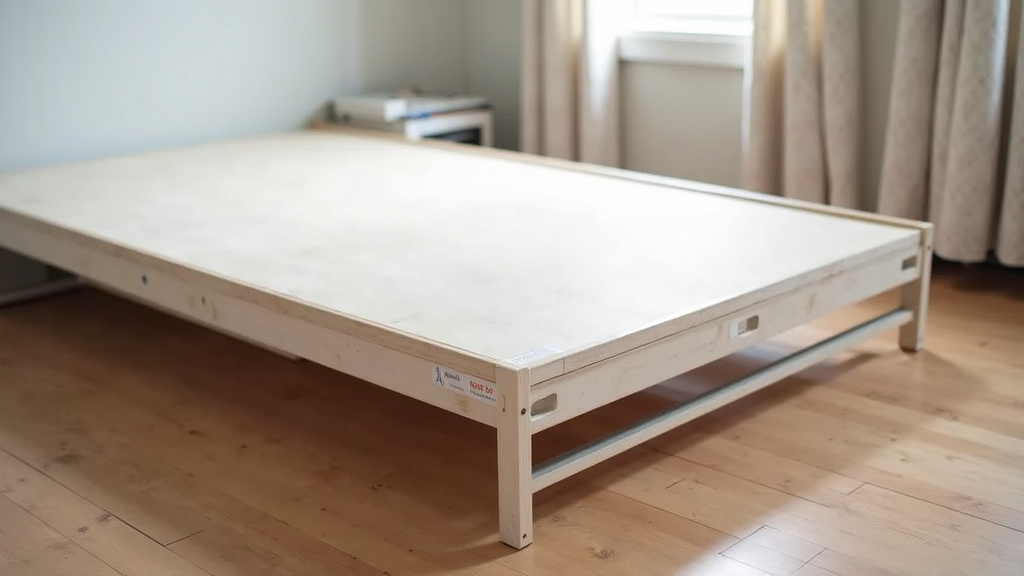
A bunkie board is a thin, solid panel that sits between your mattress and your bed frame. It’s designed to provide sturdy support and prevent your mattress from sagging. Think of it as a modern, slimmer alternative to a traditional box spring.
You might be wondering if you even need one. Many modern mattresses, especially memory foam or hybrid types, benefit greatly from the added rigidity a bunkie board offers. It helps maintain the mattress’s shape and integrity over time. It’s a simple solution for a common bedding problem.
- A bunkie board is a flat panel.
- It goes under your mattress for support.
- It prevents mattress sagging and damage.
- It’s a good alternative to bulky box springs.
Let’s walk through exactly what a bunkie board is and why you might want one for your bed. We’ll cover the basics so you can make the best choice for your sleep setup.
Understanding the Bunkie Board: A Support Panel Explained
You might be curious about what exactly a bunkie board is. It’s a flat, rigid panel. It sits directly underneath your mattress. Its main job is to give your mattress firm, even support. Think of it as a minimalist, modern upgrade for your bed frame.
Many people wonder if they need one. Especially with today’s mattresses, the answer is often yes. Modern mattresses often have unique construction. They need specific support to last and perform well. A bunkie board provides this precisely. It’s a simple tool for a better sleep experience.
What Is a Bunkie Board Made Of?
Bunkie boards come in different materials. The most common types you’ll find are made from wood or metal. Each has its own pros and cons for your bed.
Wooden Bunkie Boards
Wooden bunkie boards are very popular. They are often made from plywood or solid wood planks. These boards are typically covered in a fabric, like polyester or cotton. This fabric gives them a cleaner look. It also helps keep the wood from damaging your mattress.
The wood offers a solid, stable surface for your mattress. This is great for preventing sagging. It’s also a good choice if you have a mattress that requires a flat foundation. Some wooden boards are even foldable for easier storage or moving.
Metal Bunkie Boards
Metal bunkie boards are another common option. They are usually constructed from steel. The metal frame can be solid or made of evenly spaced slats. Metal frames can be very durable and strong. They offer excellent support.
Some metal bunkie boards are designed to look like a traditional box spring. They offer a similar height. Others are very low-profile. They can help lower the overall height of your bed. Metal is often chosen for its longevity.
Why Use a Bunkie Board? The Benefits Explained
Using a bunkie board can improve your mattress’s performance and lifespan. It’s not just about support. There are several key advantages to consider.
Preventing Mattress Sagging
Mattresses, especially foam ones, can develop sags over time. This happens when the support underneath isn’t adequate. A bunkie board provides a uniform, solid surface. This stops your mattress from sinking unevenly. It keeps the weight distributed properly.
Research from mattress manufacturers often highlights the importance of proper foundation. Without it, mattresses can lose their shape. This leads to discomfort and reduced effectiveness (Sleep Foundation). A bunkie board directly addresses this issue. It helps maintain the mattress’s original feel and function.
Extending Mattress Lifespan
When your mattress sags, it’s often a sign of wear and tear. The internal support system is compromised. A bunkie board acts as a shield. It protects your mattress from the stresses of an uneven or weak foundation. This protection can help your mattress last much longer.
Think of it like a sturdy table for your mattress. If the table is wobbly, the items on top won’t last as long. A solid table keeps everything stable and protected. This is exactly what a bunkie board does for your mattress. It’s a simple way to protect your investment.
Improving Mattress Comfort and Support
The right support makes a big difference in how comfortable your bed feels. A bunkie board ensures that your mattress performs as intended. It provides a firm base that supports your body evenly. This can lead to better spinal alignment while you sleep.
Many modern mattresses are designed for specific support systems. Memory foam, for example, needs a solid base to work correctly. Without it, the foam might feel too soft or offer poor pressure relief. A bunkie board ensures the foam can do its job effectively. This can lead to less tossing and turning.
A Modern Alternative to Box Springs
Box springs were once standard. They have metal coils inside to provide some give and support. However, they can be bulky and heavy. They also don’t always provide the uniform support needed for newer mattress types.
Bunkie boards are much slimmer and lighter. They offer a more streamlined look. For many mattresses, especially those with strong built-in support layers, a bunkie board is sufficient. It provides the necessary rigidity without the extra bulk of a box spring.
Cost-Effectiveness
In many cases, a bunkie board is more affordable than a traditional box spring. Their simpler construction often means a lower price point. If you’re looking to get the right support for your mattress without breaking the bank, a bunkie board is a great option. It’s a smart purchase for your sleep needs.
When Do You Need a Bunkie Board?
Not every bed setup requires a bunkie board. However, there are specific situations where it’s highly recommended. Knowing these can help you decide if it’s right for you.
For Mattresses Requiring Solid Support
Some mattress types specifically call for a solid or nearly solid foundation. This is especially true for memory foam, latex, and hybrid mattresses. These materials can sag if placed on slats that are too far apart. A bunkie board offers the continuous, flat surface they need.
Check your mattress manufacturer’s warranty information. Many warranties specify the type of foundation required. Failure to use the correct foundation can void your warranty. A bunkie board is often listed as an acceptable or recommended foundation type.
For Platform Beds and Storage Beds
Platform beds are designed to hold a mattress directly on their frame. They often have a built-in support system. Sometimes, these systems are just a few slats. Adding a bunkie board can provide extra rigidity and ensure your mattress is fully supported. Platform beds are designed to hold a mattress directly on their frame; our guide to how platform beds work explains their support.
Storage beds, like those with drawers underneath, often have a solid base or closely spaced slats. If the existing support seems weak or too spaced out, a bunkie board is a good addition. It adds a layer of certainty that your mattress is safe and sound.
For Bunk Beds and Loft Beds
Bunk beds and loft beds need to be incredibly sturdy. Safety is a top concern. The limited space under the mattress in these beds often means a thin support is needed. A bunkie board fits perfectly. It adds support without adding significant height.
This helps prevent the mattress from falling through the frame. It also ensures the mattress remains stable. This is especially important in a high-traffic area like a bunk bed. A bunkie board is a common and practical solution for these specialized bed frames.
When Your Current Foundation is Weak
If you have an older bed frame, its supports might have weakened. Or, perhaps the slats are spaced too far apart for your current mattress. This is a clear sign that you might need to add a bunkie board. It’s an easy fix that can save your mattress.
Sometimes, the original slats on a bed frame can break. Replacing them with a bunkie board is a simple, effective repair. It restores the bed’s structural integrity. You get renewed support and peace of mind.
Comparing Bunkie Boards to Other Foundations
To help you make the best choice, let’s compare bunkie boards to other common bed foundations.
| Foundation Type | Pros | Cons | Best For |
|---|---|---|---|
| Bunkie Board | Thin, supportive, affordable, lightweight | Can be basic, might not add height | Memory foam, platform beds, bunk beds |
| Box Spring | Adds height, provides bounce, traditional feel | Bulky, heavy, may not suit all modern mattresses | Innerspring mattresses, traditional beds |
| Slatted Foundation | Good airflow, can be strong if slats are close | Slats can sag or break if too far apart | Various mattress types, if slats are close enough |
Bunkie Board vs. Slats
Many bed frames come with wooden or metal slats. These are intended to support the mattress. However, their effectiveness depends on their spacing and strength. If the slats are more than 2-3 inches apart, they may not offer enough support for many mattresses. This can lead to sagging.
A bunkie board provides a solid surface. It eliminates the issue of slat spacing. Even if your bed frame has widely spaced slats, a bunkie board can fix it. It’s a reliable way to ensure consistent support across the entire mattress.
Choosing the Right Bunkie Board for Your Needs
When you’re ready to buy, consider these factors. Your choice can impact your sleep quality.
Size Matters
This sounds obvious, but it’s critical. You need a bunkie board that perfectly matches your mattress size. Whether it’s Twin, Full, Queen, King, or California King, ensure the dimensions are correct. A board that’s too small won’t provide full support. One that’s too large won’t fit your frame.
Material and Durability
As discussed, wood and metal are the main options. Consider your needs. Metal might offer superior durability and strength. Wood can be lighter and easier to handle. Both can be excellent choices.
Height and Profile
Bunkie boards are generally low-profile. They typically add only a few inches of height to your mattress. This is often a desired feature. It keeps your bed from getting too high. However, some might prefer a bit more height. Measure your current setup. Think about how much height you want to add.
Ease of Assembly and Portability
Some bunkie boards come fully assembled. Others might require minimal setup. If you move often, consider a foldable or lightweight option. This makes transport much simpler. A board that’s easy to handle is a big plus.
Here’s a quick checklist to help you decide:
- Confirm mattress type: Does it need solid support?
- Check bed frame type: Is it a platform, bunk, or standard frame?
- Measure your mattress and frame: Ensure the bunkie board fits.
- Consider height: How much extra height do you want?
- Evaluate material: Wood for lightness, metal for strength?
- Think about moving: Will a foldable option be easier?
Conclusion
You’ve learned that a bunkie board is a simple yet effective panel for mattress support. It offers a solid foundation, preventing sagging and extending your mattress’s life. Whether you’re using a memory foam mattress or have a platform bed, a bunkie board can significantly improve your sleep setup.
Choosing the right size and material ensures you get the best performance from your mattress. Consider its low profile and cost-effectiveness compared to bulkier options. Now that you understand its benefits, it’s time to assess your current bed frame and mattress. Invest in a bunkie board to ensure your mattress provides the comfort and support you deserve for years to come.
Frequently Asked Questions
Can I use a bunkie board with any mattress?
Generally, yes. Bunkie boards are excellent for memory foam, latex, and hybrid mattresses, as they require solid support. They can also work for innerspring mattresses, but check your mattress manufacturer’s recommendations to be sure.
Will a bunkie board make my bed higher?
Bunkie boards are typically very thin, adding only a few inches to your bed’s height. This is much less than a traditional box spring, helping to keep your bed at a more manageable height.
Are wooden or metal bunkie boards better?
Both are good options, but metal bunkie boards often offer superior durability and strength. Wooden boards can be lighter and easier to move. Your choice depends on your preference for longevity versus ease of handling.
Do I need a bunkie board if my bed frame has slats?
You might, especially if your bed frame’s slats are more than 2-3 inches apart. Wide slat spacing can lead to mattress sagging. A bunkie board provides a uniform surface that eliminates this concern.
Can a bunkie board help if my mattress is already sagging?
A bunkie board can help prevent further sagging by providing consistent support. However, if your mattress is already significantly sagging, a bunkie board may not fully correct the issue and you might need to consider a new mattress.


