What Does a Box Spring Actually Do? The Real Job
On this page (7 sections)
A box spring is a foundation for your mattress. Its main job is to support your mattress. It also helps with airflow. This helps keep your mattress fresh and extends its life. You might be surprised how much it does for your sleep.
Many people think a box spring is just a box. But it’s designed to work with your mattress. It absorbs shock and prevents excessive sagging. This means your mattress can last much longer. Many mattress warranties even require one.
- A box spring acts as a support system for your mattress.
- It absorbs shock to prevent mattress sagging.
- Good airflow from a box spring helps prevent moisture buildup.
- It can help extend the lifespan of your mattress.
- Many mattress warranties require a box spring.
Let’s break down what a box spring really does and why you might need one for your bed.
Understanding the True Purpose of Your Box Spring
So, you’ve got a new mattress or maybe you’re just wondering about that frame-like thing under your current one. We’re here to tell you: it’s not just a box. Your box spring plays a much bigger role than you might think. It’s an unsung hero in the quest for a good night’s sleep.
Its primary job is simple: to provide a solid base for your mattress. But the way it does this makes a real difference. Let’s get into the nitty-gritty of what your box spring is actually doing to help you sleep better and keep your mattress in tip-top shape.
The Core Functions of a Box Spring
At its heart, a box spring is designed to be a mattress’s best friend. It’s engineered to work in tandem with your mattress, offering support and enhancing its performance. Think of it like a sturdy foundation for a house; without it, the structure above wouldn’t stand as tall or last as long.
Providing Essential Mattress Support
This is the big one. Your mattress needs a firm and even surface to rest on. A box spring offers exactly that. It prevents your mattress from sinking down too much between bed slats or into a too-soft base.
Many mattresses, especially older innerspring models, were designed with the expectation of a box spring. The coils inside these mattresses need something to push against. Without that support, the coils can sag prematurely.
Absorbing Shock and Preventing Sagging
Have you ever noticed how a mattress can start to feel lumpy or develop a dip over time? Your box spring helps fight this. It acts as a shock absorber. When you move on the bed, the box spring takes some of that impact.
This reduces stress on your mattress. Less stress means less wear and tear. Over years of use, this can prevent that dreaded sagging effect that makes getting out of bed feel like an archaeological dig. It helps keep the surface of your mattress feeling newer for longer.
Enhancing Mattress Airflow and Ventilation
This is a function many people overlook. A box spring isn’t usually a solid block of material. It often has a fabric covering over a wooden frame with metal springs or a metal grid. This structure allows air to circulate underneath your mattress.
Why is this important? Think about body heat and moisture. As you sleep, your body releases heat and perspiration. If this moisture can’t escape, it can get trapped in your mattress. This can lead to a damp, musty smell and can even encourage the growth of mold and mildew over time.
The open design of a box spring lets air flow freely. This helps wick away moisture and dissipate heat. It’s like giving your mattress a chance to breathe. This is why many mattress manufacturers recommend them, especially for traditional innerspring mattresses.
The Role of Ventilation in Mattress Longevity
Keeping your mattress dry is key to its lifespan. Moisture is an enemy of mattress materials. It can break down foam and fabrics over time, weakening their structure. Research suggests that controlling humidity is important for preventing material degradation.
A well-ventilated mattress stays drier. This means the materials inside it are less likely to degrade. It also helps keep your sleeping environment healthier by reducing the potential for allergens like dust mites and mold spores, which thrive in damp conditions (Cleveland Clinic).
Raising Your Mattress to a Comfortable Height
Beyond its functional benefits, a box spring also serves a practical purpose: it raises your mattress. Most mattresses are relatively thin on their own. Placing one directly on the floor would make your bed uncomfortably low.
The added height from a box spring makes it much easier to get in and out of bed. It also creates a more visually appealing bed frame setup. The standard height for a bed, with mattress and box spring, is designed for ease of use and aesthetics.
Types of Box Springs and Their Construction
Not all box springs are created equal, and the type you choose can matter. They have evolved over time to suit different mattress types. Understanding the basic construction helps you see why they do what they do.
Traditional Innerspring Box Springs
These are the most common type, especially for older mattresses. They feature a wooden frame covered in fabric. Inside, you’ll find a grid of metal springs or coils. These coils are the key to their shock-absorbing ability.
When you press down, the springs compress. This cushions the mattress and distributes weight evenly. They are generally sturdy and provide good airflow thanks to the open spring structure.
Low-Profile Box Springs
As mattresses became thinner, especially with the rise of memory foam and hybrid models, the need for a very tall box spring diminished. Low-profile box springs are essentially the same as traditional ones but are shorter, usually around 5-6 inches tall compared to the standard 7-9 inches.
They offer the same support and ventilation benefits. They are chosen when you want a lower bed height or if your mattress manufacturer recommends a specific profile to avoid making the bed too high.
Bunkie Boards and Metal Foundations
While not technically box springs, these are important alternatives to consider. Bunkie boards are thin, solid pieces of wood or particleboard. They offer a flat, supportive surface but lack the shock absorption and ventilation of a true box spring.
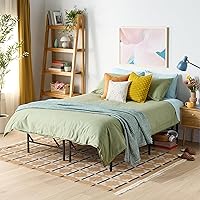
Metal foundations are another option. They provide a strong, slatted support system. Many of these are designed specifically to replace a box spring and offer excellent support and airflow. Some are quite basic, while others have a more intricate slatted design for maximum support.

When Do You Actually Need a Box Spring?
This is a question many shoppers face. The answer often depends on your mattress type and what the manufacturer recommends. Not every mattress requires a box spring anymore. If you are unsure, see which beds need a box spring.
Mattresses That Typically Need a Box Spring
Traditionally, innerspring mattresses were designed to be used with a box spring. Their internal coil system benefits greatly from the support and give of a box spring. Many older mattress warranties specifically state that using the mattress without a box spring will void the warranty.
Memory foam and latex mattresses, on the other hand, often have different requirements. Some manufacturers recommend solid, non-flexible surfaces like a platform bed or a slatted base with closely spaced slats. However, some foam mattresses may still benefit from the added airflow and slight give a box spring provides, especially if the foundation is compatible.
What About Mattress Warranties?
This is a critical point. Always check your mattress warranty information. Many warranties specify the type of foundation that must be used. Failure to comply can mean that if your mattress develops a defect, the warranty might be invalid.
We’ve found that some warranties are quite strict about this. They often require a “properly supportive foundation.” This can mean a box spring, a platform bed, or a metal frame with a specific number of slats. It’s always best to verify before you buy.
Alternatives to Traditional Box Springs
The bedding industry has come up with several alternatives to the traditional box spring. These are designed to offer support while perhaps offering different benefits or aesthetics.
Platform Beds
Platform beds have a built-in foundation, typically with a series of slats or a solid surface. They are designed to support a mattress without needing a separate box spring. Many modern mattresses, especially foam and hybrid types, are made to be used on platform beds. Platform beds have a built-in foundation, typically with a series of slats or a solid surface.
The key is that the slats on a platform bed are usually spaced closely together. This provides adequate support. If the slats are too far apart, your mattress might sag between them. Some platform beds have a solid surface that offers even more uniform support.
Metal Bed Frames with Slats
A sturdy metal bed frame with closely spaced slats can also be a good alternative. These frames offer good support and allow for airflow. They are often more durable than traditional wooden frames and can be a cost-effective option.
The spacing of the slats is important. You want them close enough that your mattress is fully supported. Many manufacturers recommend slats no more than 2-3 inches apart. This ensures even weight distribution and prevents premature sagging.
Let’s recap the key things to remember about your box spring:
- It provides a solid, supportive base for your mattress.
- It helps absorb shock, preventing your mattress from sagging too quickly.
- It promotes airflow to keep your mattress dry and fresh.
- Its height makes getting in and out of bed easier.
- Always check your mattress warranty for foundation requirements.
- Consider alternatives like platform beds for certain mattress types.
Conclusion
You now understand that your box spring is more than just a box. It’s a vital component for your mattress’s health and your sleep comfort. It offers essential support, absorbs shock to prevent sagging, and keeps things fresh with crucial airflow. This extends your mattress’s life and can even uphold its warranty. When choosing your next bed setup, remember to consider the type of mattress you have and always check the manufacturer’s guidelines. Make an informed choice to ensure you get the best rest possible.
Frequently Asked Questions
Do all mattress types need a box spring?
No, not all mattress types need a box spring. Traditional innerspring mattresses usually do, as they are designed to work with one. Memory foam, latex, and hybrid mattresses often perform best on solid or closely slatted platforms, but always check your warranty.
Can I put my mattress directly on the floor?
Generally, you should avoid placing your mattress directly on the floor. It lacks the necessary support, preventing proper airflow. This can lead to moisture buildup, mold, and premature sagging, voiding many warranties.
How often should I replace my box spring?
Box springs typically last about as long as a mattress, around 7-10 years. If you notice persistent squeaking, sagging, or if your mattress feels less supportive, it may be time to replace your box spring.
What’s the difference between a low-profile box spring and a regular one?
The main difference is height. Low-profile box springs are usually 5-6 inches tall, while standard ones are 7-9 inches. Both provide similar support and airflow; the choice depends on your desired bed height and mattress thickness.
Will using a platform bed void my mattress warranty if I don’t use a box spring?
It depends entirely on your mattress warranty. Many modern mattresses are designed for platform beds. However, some warranties may still require a box spring or specify the slat spacing for platform beds to be valid.