Bunkie Board vs Box Spring: Key Differences
On this page (9 sections)
Choosing between a bunkie board and a box spring depends on your mattress type and support needs. A bunkie board is a thin, solid piece of material, often wood or metal, that provides a flat, firm base for mattresses. A box spring is a frame containing coils or springs, designed to offer more bounce and support for traditional innerspring mattresses. Many find a bunkie board better for memory foam or latex mattresses.
Understanding these key differences is important for mattress longevity and sleep comfort. A bunkie board offers a minimalist, sturdy foundation, ideal for newer mattress types that don’t require the aeration a box spring provides. A box spring, on the other hand, is a more traditional choice that works best with older innerspring designs, offering a softer feel and more air circulation.
TL;DR:
- A bunkie board is a flat, solid base.
- A box spring has coils for bounce and support.
- Bunkie boards are great for memory foam/latex.
- Box springs work best with innerspring mattresses.
- The right choice ensures mattress support and comfort.
Let’s dive into the details and help you decide which foundation is the best fit for your bed.
Understanding Your Mattress Foundation: Bunkie Board vs. Box Spring
When you’re looking to set up your new mattress, you might notice something missing. It’s not just the sheets and pillows. You also need a proper foundation. This foundation is key to how your mattress feels and how long it lasts. Two common choices are the bunkie board and the box spring. They might look similar at first glance. But they do very different jobs for your bed. We’ll break down what makes them distinct.
What is a Bunkie Board?
Think of a bunkie board as a minimalist support system. It’s essentially a thin, flat panel. This panel is usually made of wood or metal. Its main job is to provide a solid, flat surface for your mattress. Many bunkie boards are also very low-profile. This means they don’t add much height to your bed frame.
Materials and Construction of Bunkie Boards
Bunkie boards come in a few common materials. You’ll often find them made from solid wood planks or plywood. Metal frames are also popular. These metal frames might have slats or a solid sheet of metal. The goal is always the same: a firm, uniform base.
Unlike a box spring, a bunkie board has no springs or coils. This is its defining feature. It’s designed to be as simple and sturdy as possible. This simplicity helps prevent sagging. It also keeps your mattress from sinking down.
When is a Bunkie Board the Right Choice?
Bunkie boards are particularly well-suited for modern mattress types. This includes memory foam, latex, and hybrid mattresses. These newer mattresses often have specific support needs. They don’t typically need the bounce or aeration that a traditional box spring offers.
Using a bunkie board with these mattresses can prevent damage. It provides the firm, even support they require. Many mattress manufacturers even recommend or require a solid or slatted base. This is to keep their warranties valid. Always check your mattress warranty details. If your frame has slats, see when a bunkie board is needed.
What is a Box Spring?
A box spring is a more traditional mattress foundation. It’s a wooden frame. Inside this frame, you’ll find a system of springs or coils. These springs are designed to absorb shock. They also provide a certain level of bounce and support.
Box springs were originally designed to work with older innerspring mattresses. They helped these mattresses feel more comfortable. They also helped with airflow. The springs gave the mattress a bit of extra cushioning.
How Box Springs Provide Support and Bounce
The internal springs are the star of the show here. When you put weight on the mattress, the springs in the box spring compress. This compression absorbs some of the impact. It gives the mattress a feeling of bounce and give. This can be a desirable feature for some sleepers.
The coils also distribute your weight evenly across the mattress. This was especially helpful for older innerspring mattresses. It prevented certain areas from getting too much pressure. It also helped keep the mattress from dipping too much.
The Role of Airflow in Box Springs
One of the key benefits of a traditional box spring is its airflow capability. Because of the springs and the gaps between them, air can circulate. This is important for keeping mattresses cool. It helps prevent heat buildup. This is particularly useful for mattresses that tend to sleep warm.
When is a Box Spring the Best Option?
Box springs are most commonly paired with traditional innerspring mattresses. If your mattress is made entirely of coils, a box spring is often the ideal match. The two work together to provide a familiar feel. The box spring complements the coil system of the mattress.
However, many modern mattresses, especially memory foam and latex, do not do well with box springs. The springs can create pressure points. They can also allow the softer foam layers to sink between the coils. This can lead to premature wear and tear.
Key Differences at a Glance
Let’s lay out the core differences side-by-side. This can make it easier to see what you’re getting with each option.
| Feature | Bunkie Board | Box Spring |
|---|---|---|
| Construction | Solid or slatted panel (wood/metal) | Wooden frame with internal springs/coils |
| Firmness | Very firm and flat | Slightly flexible, offers bounce |
| Mattress Compatibility | Memory foam, latex, hybrid, some innerspring | Primarily traditional innerspring |
| Airflow | Limited, depends on slat spacing | Good airflow due to springs |
| Height | Low profile | Can add significant height |
| Warranty Considerations | Often required for foam/hybrid mattresses | May void warranties for non-innerspring mattresses |
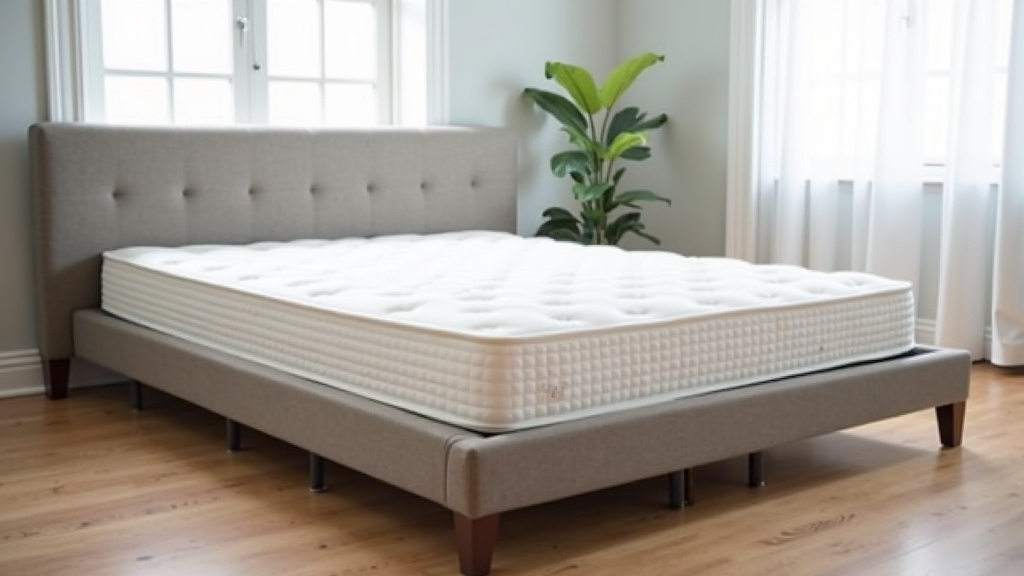
Impact on Mattress Longevity and Comfort
Choosing the right foundation isn’t just about looks; it’s about performance. The wrong base can shorten your mattress’s lifespan. It can also negatively impact how comfortable your bed is.
How a Bunkie Board Supports Your Mattress
A bunkie board offers a consistent, even surface. This is crucial for mattresses that need uniform support. Memory foam and latex mattresses are designed to contour to your body. They need a flat base to do this properly. A bunkie board ensures there are no weak spots where the mattress can sag.
Research suggests that proper support is key to maintaining a mattress’s integrity (Sleep Foundation). Without it, you risk developing dips and unevenness. These issues can lead to discomfort and aches. A bunkie board helps keep your mattress performing as intended for longer.
How a Box Spring Supports Your Mattress
For innerspring mattresses, a box spring provides a familiar feel. The springs absorb shock, which can reduce wear on the mattress coils. It also offers a degree of flexibility. This flexibility can be what some sleepers prefer for that classic bouncy sensation.
However, as we’ve noted, using a box spring with foam or latex can be problematic. The unsupported areas between coils can lead to premature sagging. This is because the foam is not designed to be compressed by springs. It needs a solid, flat surface to maintain its shape and support.
When to Consider Alternatives to Both
While bunkie boards and box springs are common, they aren’t your only options. Platform beds, for instance, often come with built-in support. They might have a system of slats or a solid base already. These can eliminate the need for a separate foundation. While bunkie boards and box springs are common, they aren’t your only options, as platform beds offer built-in support.
Adjustable bed frames also require special considerations. Many adjustable beds are designed to work with specific types of foundations or even directly with the mattress. Always check compatibility. Using the wrong base with an adjustable frame can damage both components. For some, a low-profile adjustable base might be the best choice.
Making Your Final Decision: A Quick Checklist
To help you decide which foundation is right for you, consider these points:
- What type of mattress do you have? (Memory foam, innerspring, hybrid?)
- What is your mattress warranty’s requirement for a foundation?
- Do you prefer a firm or bouncy feel for your bed?
- How much height do you want your bed to have?
- Is your current bed frame compatible with a bunkie board or box spring?
- What is your budget for a mattress foundation?
Thinking through these questions will guide you toward the best foundation for your sleep setup. The right choice ensures you get the most comfort and longevity from your mattress.
Conclusion
You’ve learned that a bunkie board offers a firm, flat surface, ideal for modern mattresses like memory foam and latex. It prevents sagging and helps maintain mattress warranties. A box spring, with its coils, provides bounce and airflow, best suited for traditional innerspring mattresses. Your mattress type and warranty requirements are the biggest factors in your decision. Take a moment to review your mattress and its warranty. Then, choose the foundation that offers the support your mattress needs for lasting comfort and durability.
Frequently Asked Questions
Can I use a bunkie board with any mattress?
Generally, yes. Bunkie boards are excellent for memory foam, latex, and hybrid mattresses. They can also work with some innerspring mattresses, especially if you prefer a firmer feel or your bed frame requires a lower profile foundation.
Will a box spring damage my memory foam mattress?
A box spring is not recommended for most memory foam mattresses. The springs can create pressure points and allow the foam to sink between the coils, potentially leading to premature sagging and voiding your warranty.
Do I really need a foundation at all?
Yes, most mattresses require some form of foundation. It provides necessary support, prevents sagging, and can be essential for keeping your mattress warranty valid. A bare mattress on the floor can accumulate moisture and develop issues quickly.
How much height will a bunkie board add to my bed?
Bunkie boards are typically very low-profile, usually only a few inches high. This can help make your bed feel less imposing and easier to get into, especially if you have a thicker mattress.
What if my mattress warranty doesn’t mention a foundation?
If your warranty is silent on foundations, it’s still wise to use a compatible one. Research the mattress type you have. Modern foam and hybrid mattresses generally require a solid or closely slatted base. Using a box spring with such a mattress could still lead to damage and issues.


